AMD announced on 17 November 2026 that it has completed its acquisition of Taalas, a company that designs specialised AI inference chips. The deal was first announced in August. It's aimed at data centres rather than desktop PCs, but the technology behind it is unusual enough to be worth understanding if you follow local AI hardware. This report is based on AMD's announcement, Taalas's product page and SiliconANGLE's coverage of the original deal. Forge PC hasn't tested any Taalas hardware.
What AMD said
In its 17 November announcement, AMD described Taalas as "a pioneer in specialized AI inference silicon". AMD says it plans to integrate Taalas's technology into its accelerator roadmap and build system-level products alongside its Instinct GPUs, EPYC CPUs, ROCm software and Helios rack-scale systems. The deal also expands AMD's engineering presence in Canada. AMD didn't announce any products or a timeline.
What Taalas actually makes
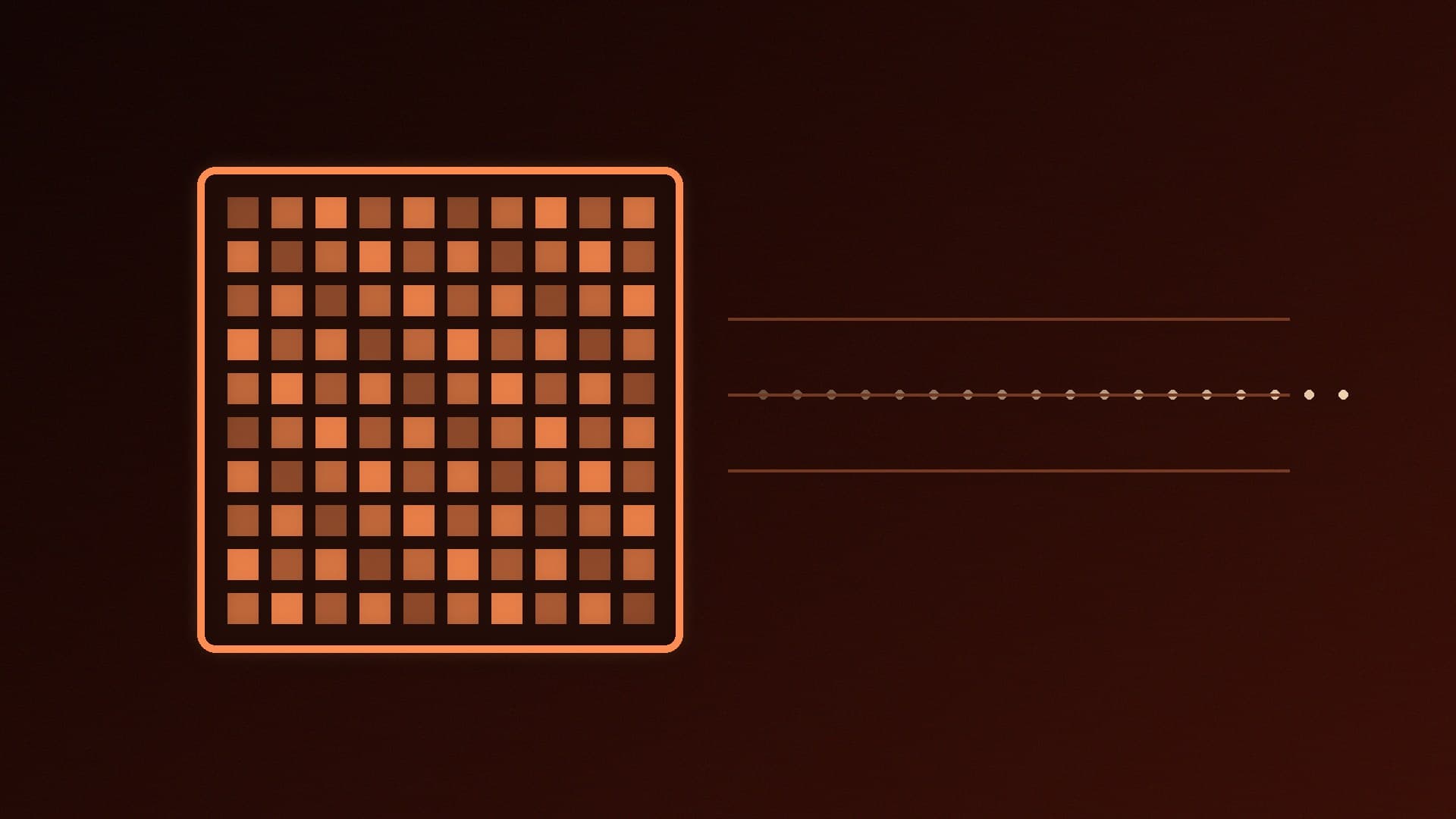
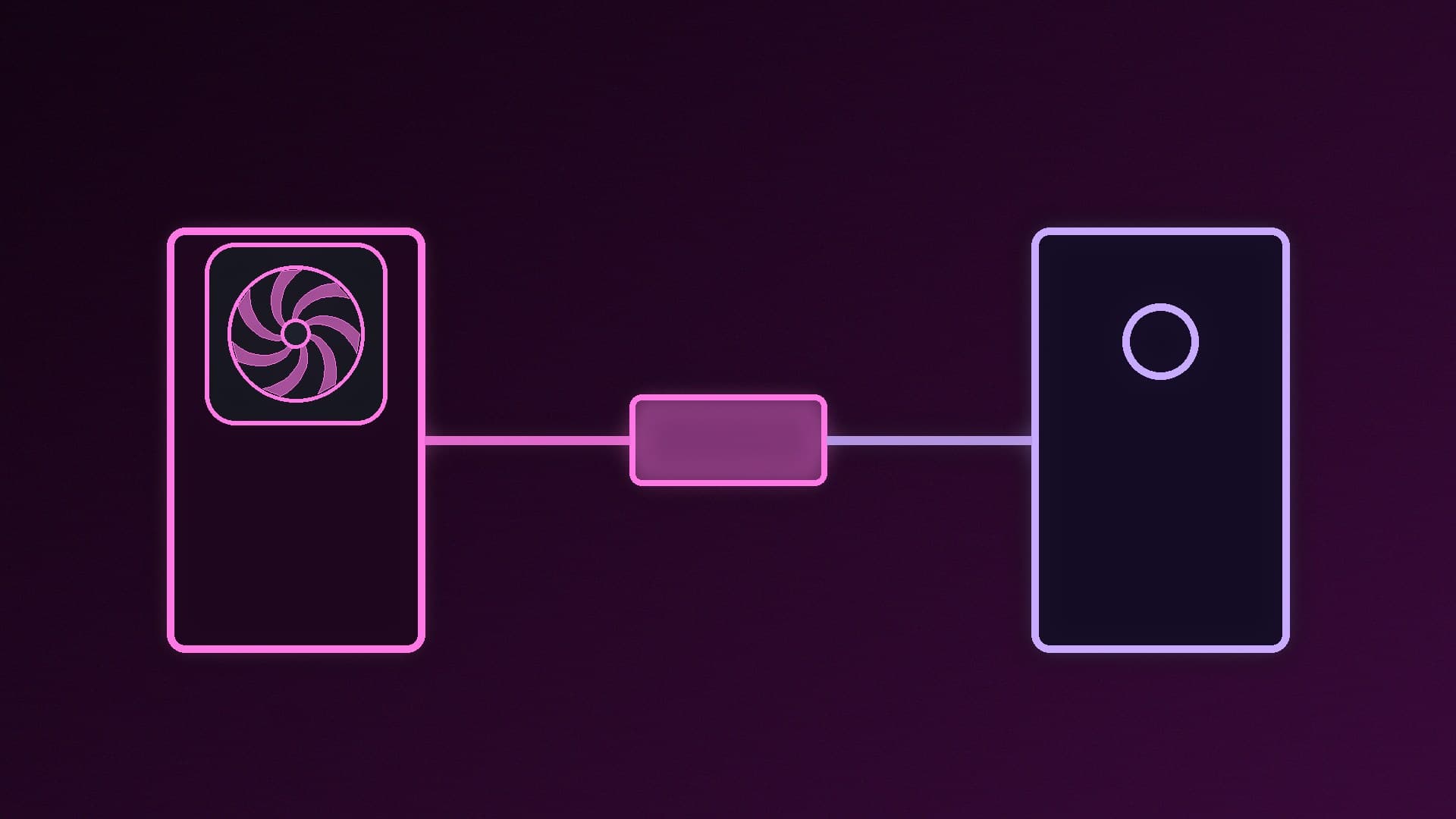
Taalas takes an unusual approach. According to SiliconANGLE, it builds "model-specific integrated circuits": chips that build a model's weights and dataflow into the transistors themselves, instead of constantly moving them in and out of high-bandwidth memory as a GPU does.
Its first chip, the HC1, is a technology demonstrator. Taalas's product page lists these details:
HC1 detail | Taalas figure |
|---|
Model | Llama 3.1 8B |
Process | TSMC 6nm |
Die size | 815mm² |
Transistors | 53 billion |
Speed claim | 17,000 tokens per second per user (1k input / 1k output, run by Taalas) |
These are Taalas's own numbers, not independent results. SiliconANGLE reports that Taalas said in February the HC1 was 73 times faster than NVIDIA's H200 at a tenth of the power, again by the company's own measurement. A second chip, HC2, targets models of about 20 billion parameters.
The catch: one chip, one model
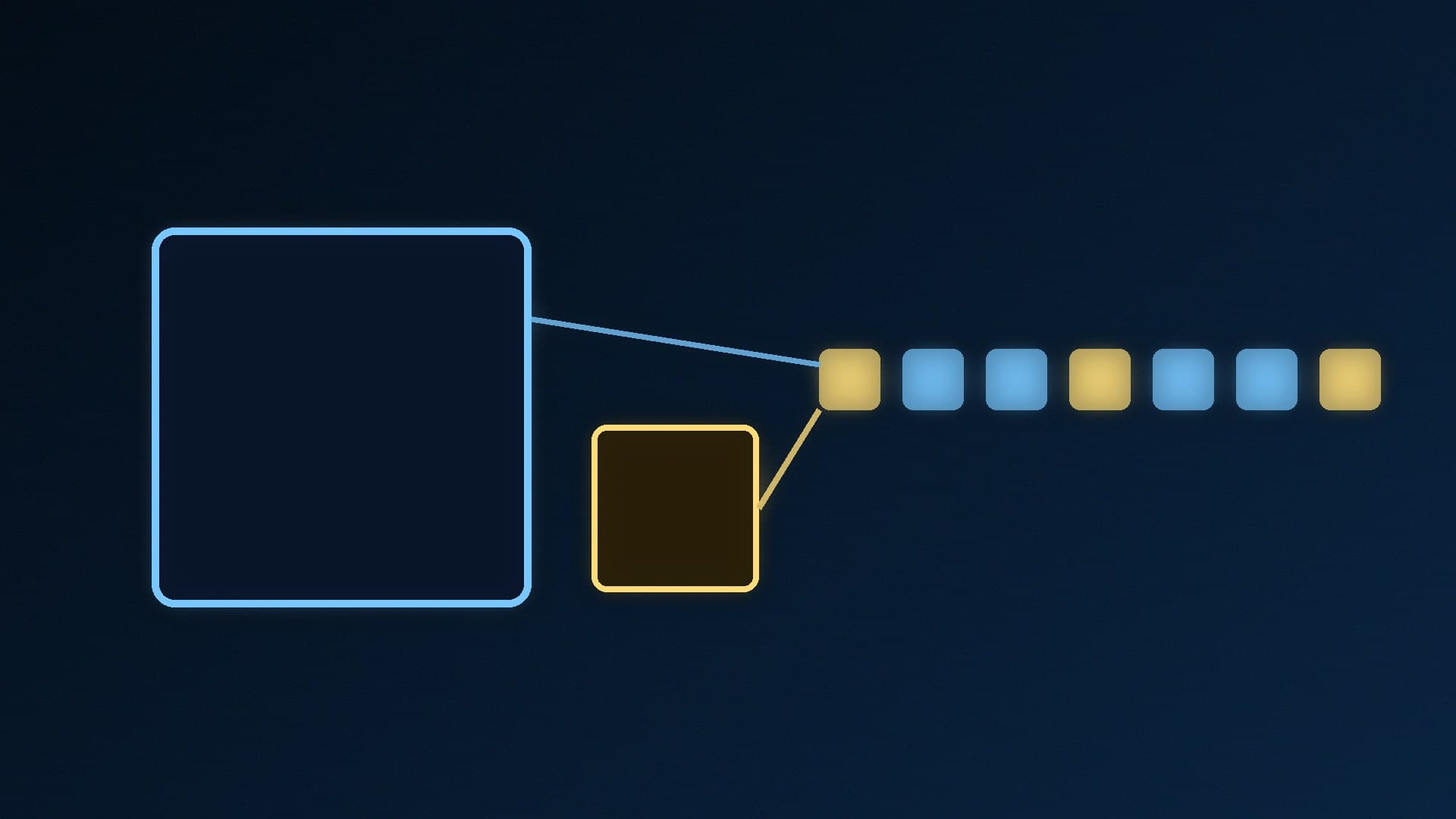
The trade-off is flexibility. As SiliconANGLE puts it, a finished Taalas chip "runs the model it was built for and nothing else", so a new model needs new silicon. Taalas argues this is less painful than it sounds: only two of the chip's 100-plus layers change between designs, and it puts tape-out time at roughly two months.
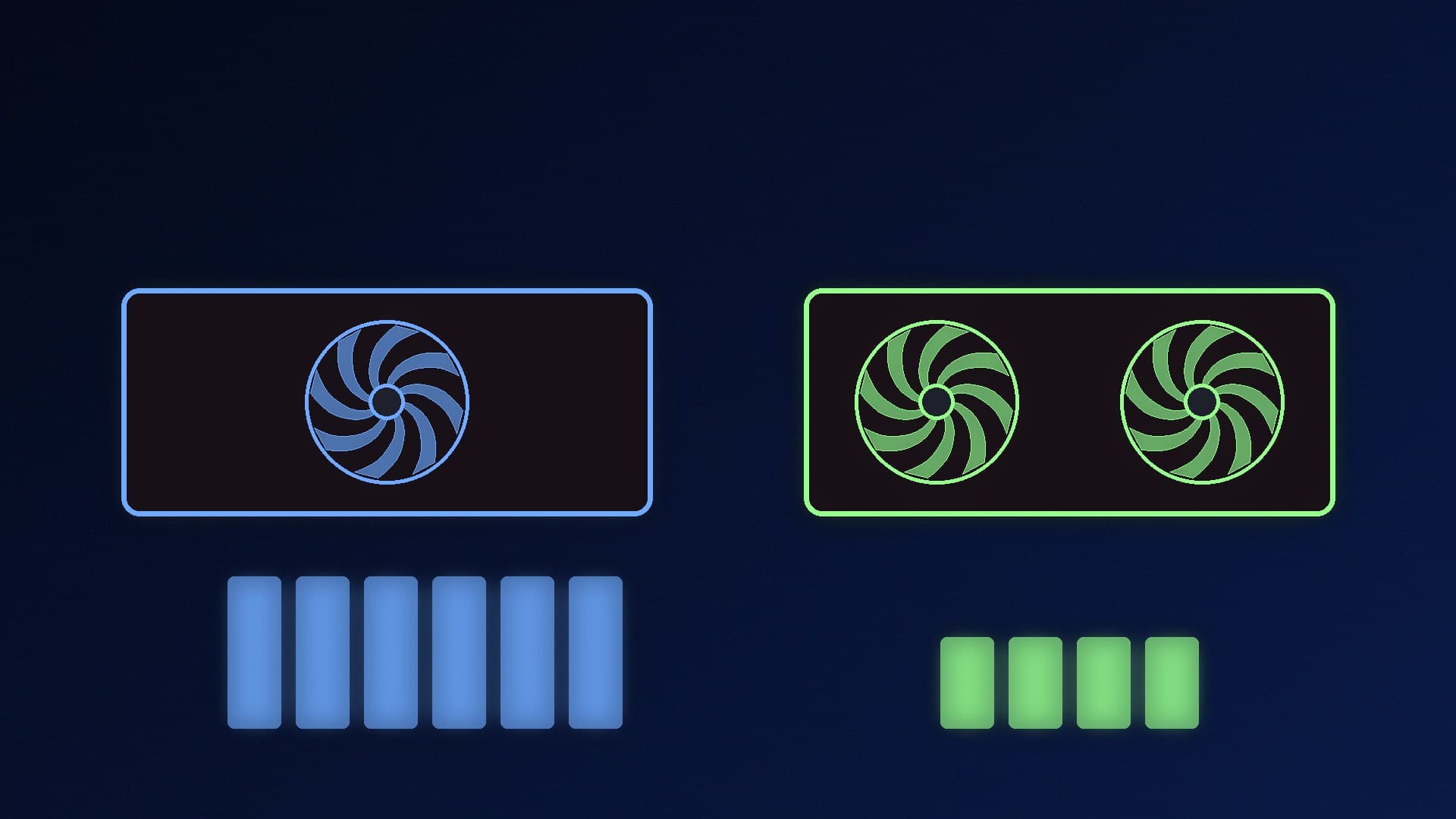
That's the opposite of a graphics card. A GPU with enough VRAM can run whatever model you download tomorrow, which is why our VRAM guide and best GPU for local LLMs focus on memory capacity first.
Does this matter for your PC?
Not directly, and not soon. Nothing in AMD's announcement mentions Radeon graphics cards, Ryzen processors or consumer products. The HC1 is listed as part of a 2.5kW server.
There are two reasons to keep an eye on it, though:
AMD is building up its inference team. SiliconANGLE says Taalas is AMD's third AI acquisition in nine months, and that the FastFlowLM team joined AMD in July. FastFlowLM is software for running language models on NPUs, the AI engines covered in our NPU explainer.
The industry is moving towards specialised inference hardware. Our report on SC26's AI accelerators shows the same shift among the big chipmakers.
If you want to run local AI on an AMD PC today, nothing changes: use a Radeon GPU with ROCm or Vulkan (see how to run local AI on a Radeon GPU), or a Ryzen AI chip's NPU.
Our verdict
AMD's purchase of Taalas, completed on 17 November 2026, buys it chips that hardwire one AI model into silicon for very fast inference: Taalas claims 17,000 tokens per second on Llama 3.1 8B with its HC1 demonstrator. It's a data-centre deal with no consumer products announced, and each chip can only run the model it was built for. For PC builders, the practical advice doesn't change: for local AI, buy as much GPU memory as you can afford.