Skip to content

How-ToGPU

How to Turn On Optimizations for Windowed Games in Windows 11

Optimizations for windowed games is a Windows 11 graphics setting for DirectX 10 and DirectX 11 games played in windowed or borderless windowed mode. Microsoft says it switches them to flip-model presentation, reducing frame latency and enabling Auto HDR and variable refresh rate. You can turn it on for all games and off for individual ones.

By , Systems & Technical Editor

2 min read

How to Turn On Optimizations for Windowed Games in Windows 11

It's based on Microsoft's own support documentation, read on 26 November 2026.

Many PC players run games in borderless windowed mode because it makes switching to other apps quicker. Windows 11 has a graphics setting, Optimizations for windowed games, that's designed to make older games behave better in that mode.

What Optimizations for windowed games does

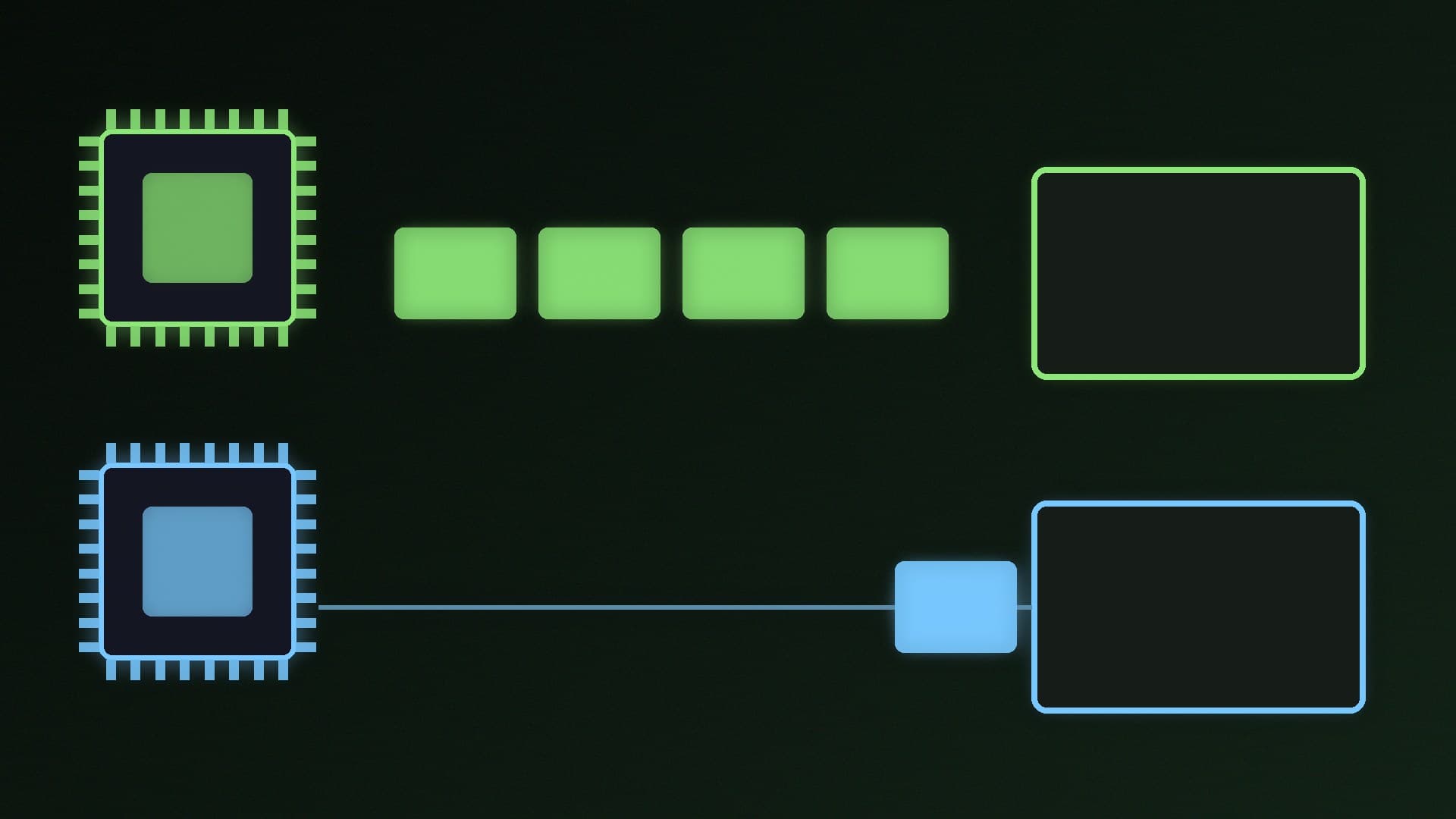
Microsoft says Optimizations for windowed games improves gaming performance for DirectX 10 and DirectX 11 games running in windowed and borderless windowed modes. It moves compatible games from the older blt-model presentation to the newer flip-model presentation.

According to Microsoft, that does two things:

  • Reduces frame latency.

  • Enables modern gaming features such as Auto HDR and variable refresh rate on supported displays.

Microsoft's page only describes DirectX 10 and DirectX 11 games, so don't expect it to change games that use other graphics APIs. If you're not sure which display mode to use in the first place, see our fullscreen vs borderless windowed guide.

How to turn it on for all games

  1. Select the Start button, then choose Settings.

  2. Select System, then Display.

  3. Select Graphics.

  4. Under Default settings, turn on the switch next to Optimizations for windowed games.

  5. Restart your game.

Microsoft notes that if you turn on Auto HDR, Optimizations for windowed games is turned on automatically. It also says that if you want to turn off Optimizations for windowed games, you'll need to turn off Auto HDR first. Our Auto HDR vs RTX HDR guide explains the HDR side.

How to turn it off for one game

If a particular game misbehaves with the setting on, you can turn it off for that game only:

  1. Select Start, then Settings.

  2. Go to System > Display > Graphics.

  3. Under Custom options for apps, select the game and choose Options.

  4. Turn off the Optimizations for windowed games switch. You can also tick Don't use Auto HDR here if you want Auto HDR off for that game.

  5. Select Save, then restart the game.

The same Options panel is where you choose which graphics processor a game uses on PCs with more than one GPU, with choices of Let Windows decide, Power saving and High performance. Our guide on how to choose the GPU per app in Windows 11 covers that in more detail.

Getting the most from it

Because Microsoft says the setting enables variable refresh rate in compatible windowed games, it pairs well with a VRR monitor. See how to turn on variable refresh rate in Windows 11 to make sure that's switched on too. For more ways to cut input lag on NVIDIA and AMD cards, see our guide on how to cap FPS on NVIDIA and AMD.

Our verdict

If you play DirectX 10 or DirectX 11 games in windowed or borderless windowed mode, turn on Optimizations for windowed games in Settings > System > Display > Graphics, because Microsoft says it reduces frame latency and unlocks Auto HDR and variable refresh rate in those games. If one game has problems, switch it off for just that game under Custom options for apps rather than turning it off everywhere.
The bottom line

If you play DirectX 10 or DirectX 11 games in windowed or borderless windowed mode, turn on Optimizations for windowed games in Settings > System > Display > Graphics, because Microsoft says it reduces frame latency and unlocks Auto HDR and variable refresh rate in those games. If one game has problems, switch it off for just that game under Custom options for apps rather than turning it off everywhere.
Sources

  1. 01Microsoft Support, Optimizations for windowed games in Windows 11

About the author

Marcus Thorne

Systems & Technical Editor

Marcus writes Forge PC's step-by-step build, troubleshooting and system optimisation guides. His background spans Windows kernel and power-state diagnostics, UEFI/BIOS configuration, NVMe storage arrays, ATX 3.1 power delivery and running local AI and LLM workloads on consumer graphics cards.

More from Marcus Thorne

Read next

How to Turn On Dynamic Refresh Rate in Windows 11

How-To

How to Turn On Dynamic Refresh Rate in Windows 11

Dynamic Refresh Rate (DRR) is a Windows 11 feature that automatically lowers a laptop screen's refresh rate for everyday tasks and raises it for scrolling, inking and games. Microsoft says it needs a VRR display of at least 120Hz and supporting hardware, and that you should turn it off if a game that doesn't use VRR appears capped.

Marcus Thorne3 min

NVIDIA Low Latency Mode vs Reflex: Which Should You Turn On?

Versus

NVIDIA Low Latency Mode vs Reflex: Which Should You Turn On?

NVIDIA offers two ways to cut input lag. Low Latency Mode in the NVIDIA Control Panel limits how many frames the CPU queues for the GPU, while Reflex is built into supported games and times the engine's work just in time for rendering. NVIDIA recommends Reflex where a game supports it, with Ultra Low Latency Mode as the next best option.

Callum Reid4 min

The Best Free Windows 11 Maintenance Tools in 2026

Best Picks

The Best Free Windows 11 Maintenance Tools in 2026

You don't need a paid PC optimiser. Windows 11's free built-in tools cover routine upkeep: Windows Update and optional updates, a Windows Security quick scan, Storage Sense and Disk Cleanup for space, Task Manager for startup apps, and Defragment and Optimize Drives. Microsoft PC Manager is a free extra that brings clean-up and startup tools together.

Hannah Vance4 min

Ninite vs WinGet: Which Is Best for Installing Apps on a New PC?

Versus

Ninite vs WinGet: Which Is Best for Installing Apps on a New PC?

Ninite builds a one-click installer for a curated list of popular apps that skips up-to-date apps and says no to toolbars, free for home use. WinGet is Microsoft's command-line package manager, included with Windows 11 via App Installer, with search, install, upgrade --all and export/import. Ninite is simplest; WinGet is more flexible.

Callum Reid4 min