The Ryzen 7 7700 and Ryzen 7 7800X3D look like twins on paper: both are eight-core, 16-thread Zen 4 chips for Socket AM5, with the same 8MB of L2 cache, the same DDR5 support and the same PCIe 5.0 platform. The difference is AMD's 3D V-Cache, which triples the L3 cache on the 7800X3D, and that changes the clocks, the power rating and the cooling advice. We've compared them using AMD's own specification pages.
Specs compared
Ryzen 7 7700 | Ryzen 7 7800X3D | |
|---|---|---|
Architecture | Zen 4 | Zen 4 |
Cores / threads | 8 / 16 | 8 / 16 |
Base clock | 3.8GHz | 4.2GHz |
Max boost clock | Up to 5.3GHz | Up to 5GHz |
L2 cache | 8MB | 8MB |
L3 cache | 32MB | 96MB (3D V-Cache) |
Default TDP | 65W | 120W |
Unlocked for overclocking | Yes | Not listed |
Precision Boost Overdrive / Curve Optimizer | Yes / Yes | Yes / Yes |
Max operating temperature (Tjmax) | 95°C | 89°C |
Memory | DDR5, 2 channels, up to 128GB | DDR5, 2 channels, up to 128GB |
Rated memory speed (2 DIMMs) | DDR5-5200 | DDR5-5200 |
PCIe | PCIe 5.0, 28 lanes (24 usable) | PCIe 5.0, 28 lanes (24 usable) |
Integrated graphics | AMD Radeon Graphics, 2 cores, 2200MHz | AMD Radeon Graphics, 2 cores, 2200MHz |
Cooler in the box | See note below | Not included |
AMD cooler advice | Not stated | Liquid cooler recommended for optimal performance |
Launch date (AMD) | 14 January 2023 | 6 April 2023 |
The one big difference: cache
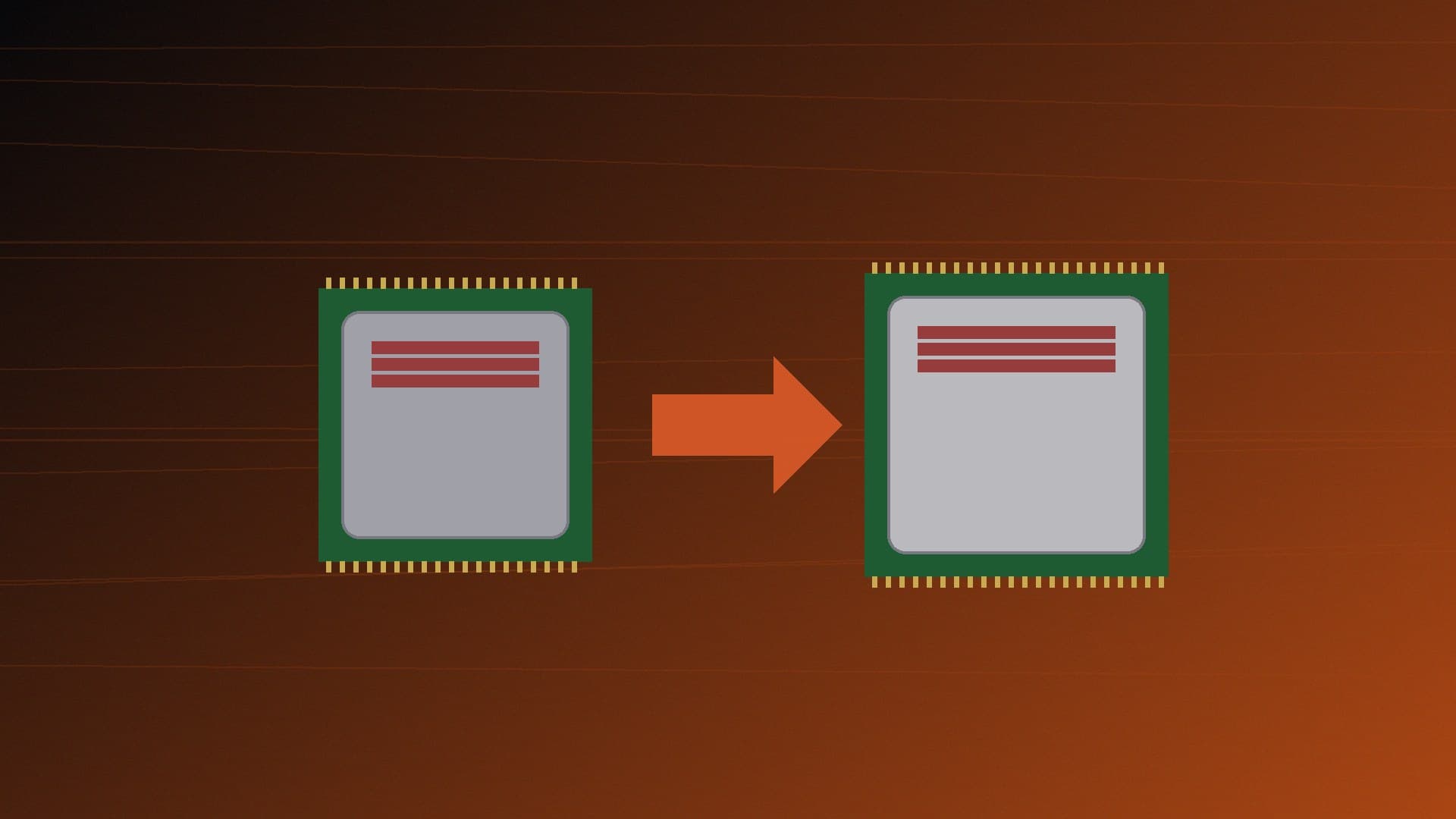
AMD lists the same 71mm² compute die and the same 6nm I/O die for both chips. What the 7800X3D adds is a stacked layer of L3 cache, giving it 96MB against the 7700's 32MB. AMD markets the 7800X3D as "the dominant gaming processor", saying 3D V-Cache brings "low latency and even more game performance". That is AMD's claim, not ours, but it explains why this chip exists: games that keep a lot of data close to the CPU can benefit from the bigger cache, while many other workloads care more about clock speed.
Clocks and power: the 7700 is the cooler-running chip
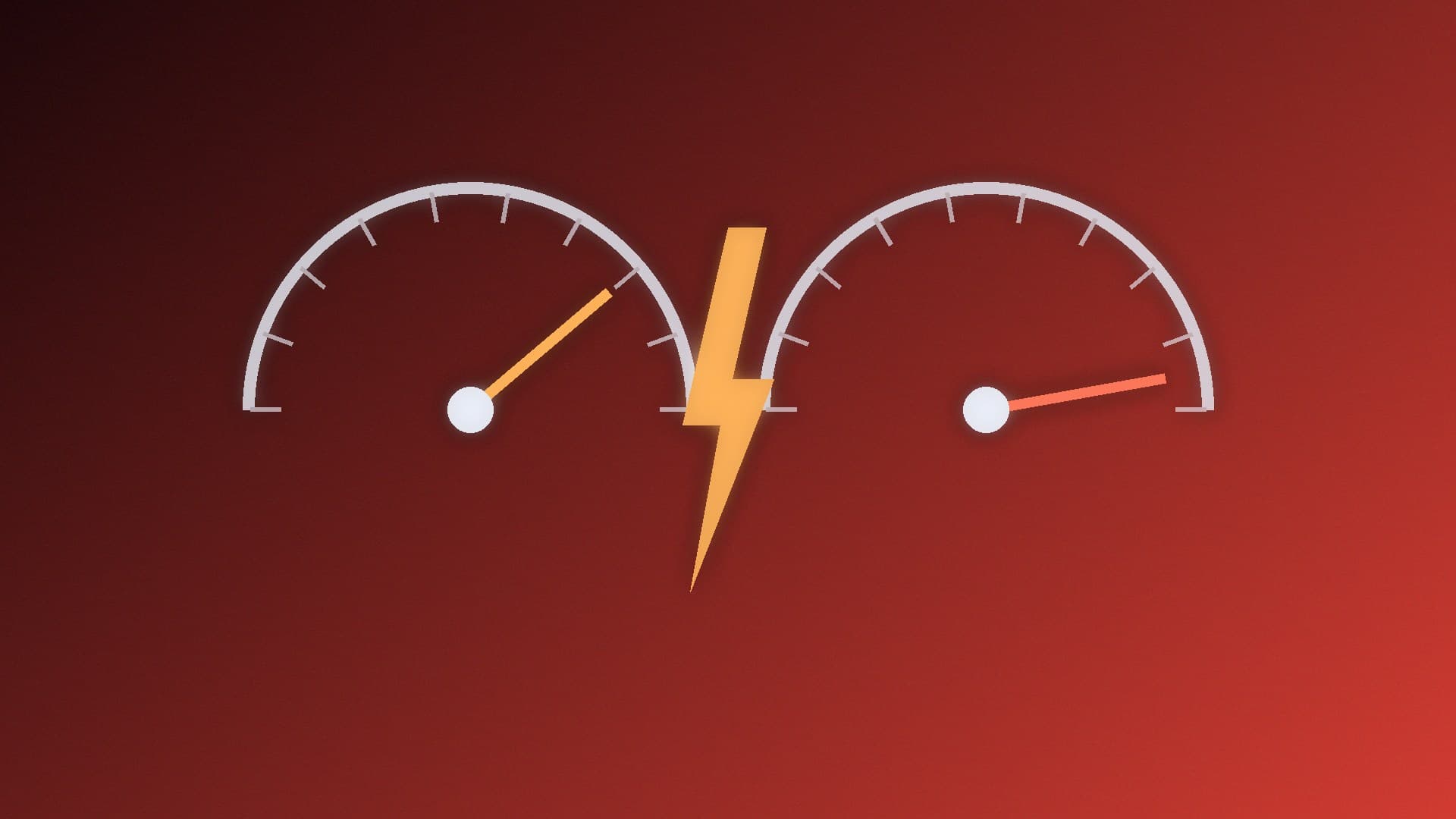
The extra cache comes with trade-offs. The 7800X3D's maximum boost clock is lower (up to 5GHz versus up to 5.3GHz) and its Tjmax is 89°C rather than 95°C. Its default TDP is 120W, against just 65W for the 7700. In practice that means:
Cooling: AMD recommends a liquid cooler for "optimal performance" on the 7800X3D and doesn't include a cooler. The 7700's spec page has no such recommendation, so a decent air cooler is a natural fit.
Small builds: the 65W 7700 is the easier chip to put in a compact case or a quiet office build.
Tuning: AMD lists the 7700 as unlocked for overclocking; the 7800X3D's page has no such entry, though both support Precision Boost Overdrive and Curve Optimizer. See our PBO and Curve Optimizer guide before you start.