This comparison uses Thermalright's own specification pages for both coolers, read on 23 November 2026.
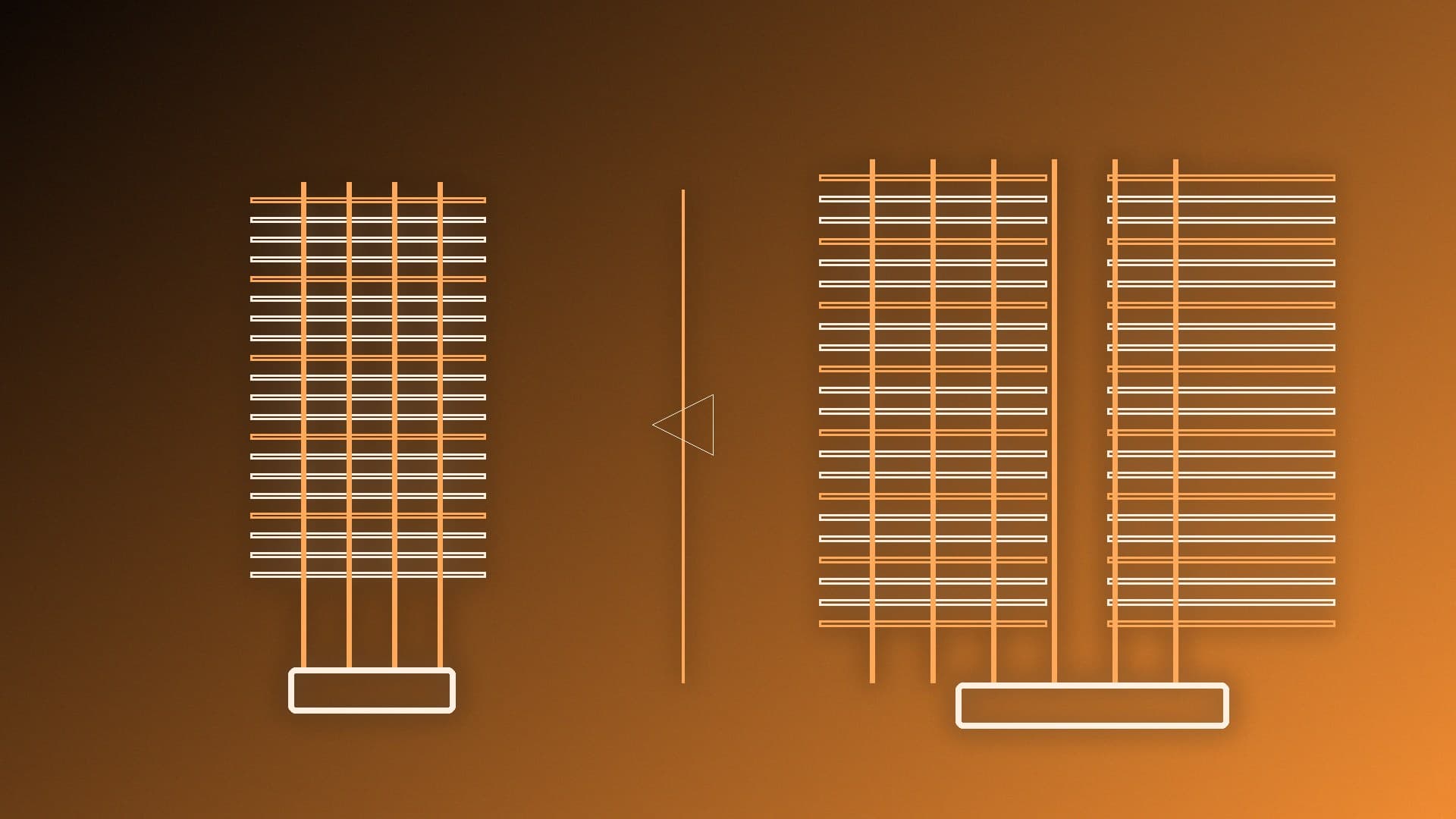
The Assassin X 120 Refined SE and the Peerless Assassin 120 SE come from the same maker, use the same fan model and support the same current sockets. The difference is the heatsink: the Assassin X is a single tower with four heatpipes, while the Peerless Assassin is a dual tower with six. That one difference decides how much cooling hardware you get, how tall and wide the cooler is, and how easy it is to reach your RAM.
Specs side by side
Spec (Thermalright) | Assassin X 120 Refined SE | Peerless Assassin 120 SE |
|---|
Design | Single tower | Dual tower |
Heatsink dimensions | 120 x 46 x 148mm | 125 x 110 x 155mm |
Weight | 630g | 730g |
Heatpipes | 4 x 6mm | 6 x 6mm |
Base | Not listed | C1100 copper, nickel plated |
Fan | TL-C12C, 120 x 120 x 25mm | TL-C12C, 120 x 120 x 25mm |
Fan rated speed | 1,550rpm ±10% (max) | 1,550rpm ±10% (max) |
Fan rated airflow / pressure | 66.17 CFM / 1.53mm H2O | 66.17 CFM / 1.53mm H2O |
Fan rated noise | 25.6 dBA | 25.6 dBA |
Connectors | 4-pin PWM, 3-pin 5V ARGB | 4-pin PWM |
Sockets | Intel 115x/1200/1700/1851, AMD AM4/AM5 | Intel 115X/1200/1700/1851, AMD AM4/AM5 |
Cooling hardware: the Peerless Assassin has more
The Peerless Assassin 120 SE has two heatsink towers and six heatpipes against the Assassin X's single tower and four heatpipes. More heatpipes and more fin area give a cooler more capacity to move heat away from the processor, which is why dual towers are the usual recommendation for hotter CPUs. We haven't measured how big the gap is between these two models, so we won't put a number on it, but if your processor runs hot under sustained loads, the dual tower is the safer choice. Our single-tower vs dual-tower CPU cooler explainer covers this in more depth.
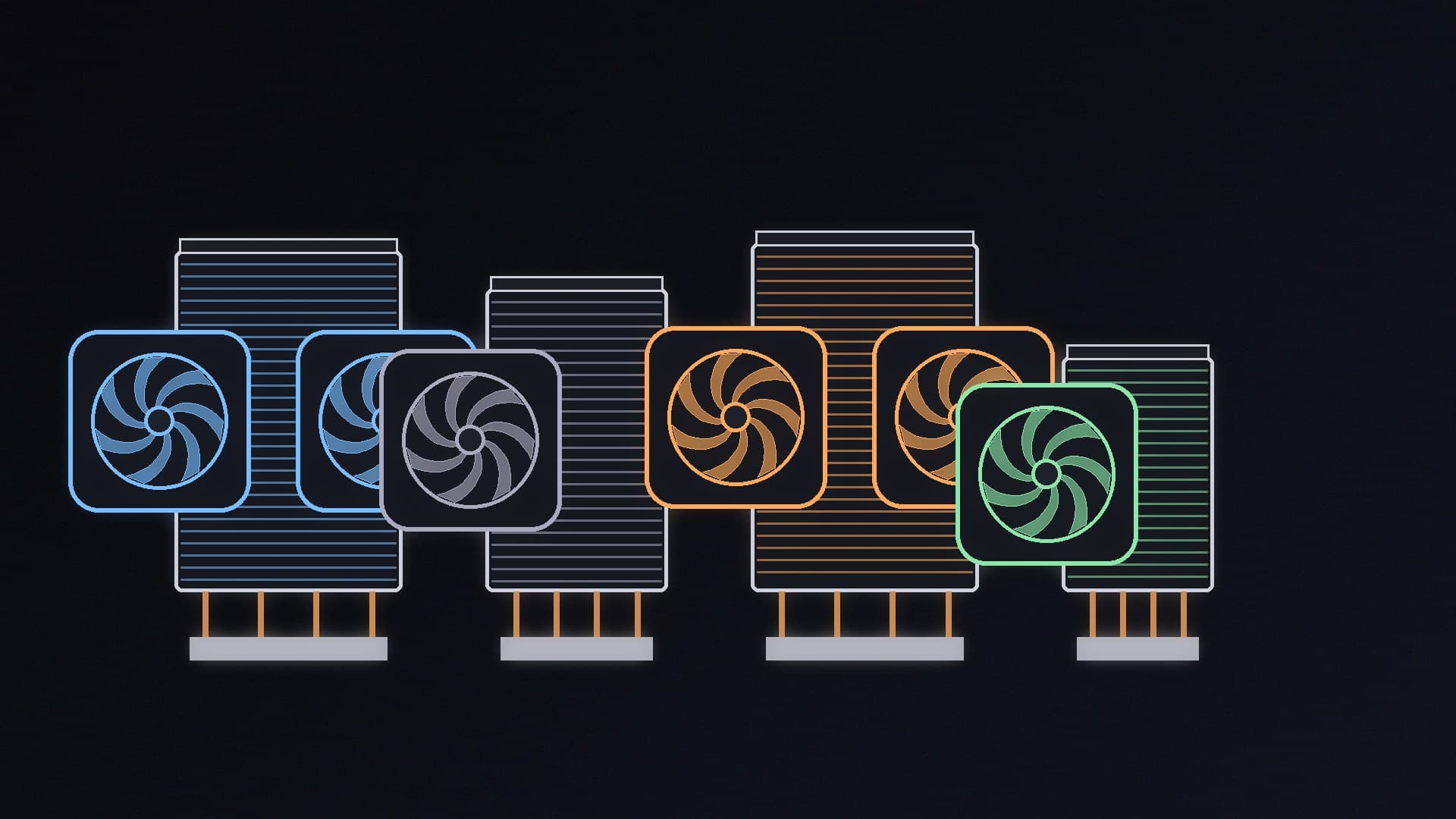
Both coolers use the same TL-C12C fan model with the same ratings, so differences in noise come down to how hard the fans have to work, not the fan itself. Thermalright's spec page doesn't state how many fans come with each cooler, so check the retailer's box contents if that matters to you.
Size and fit: the Assassin X is easier
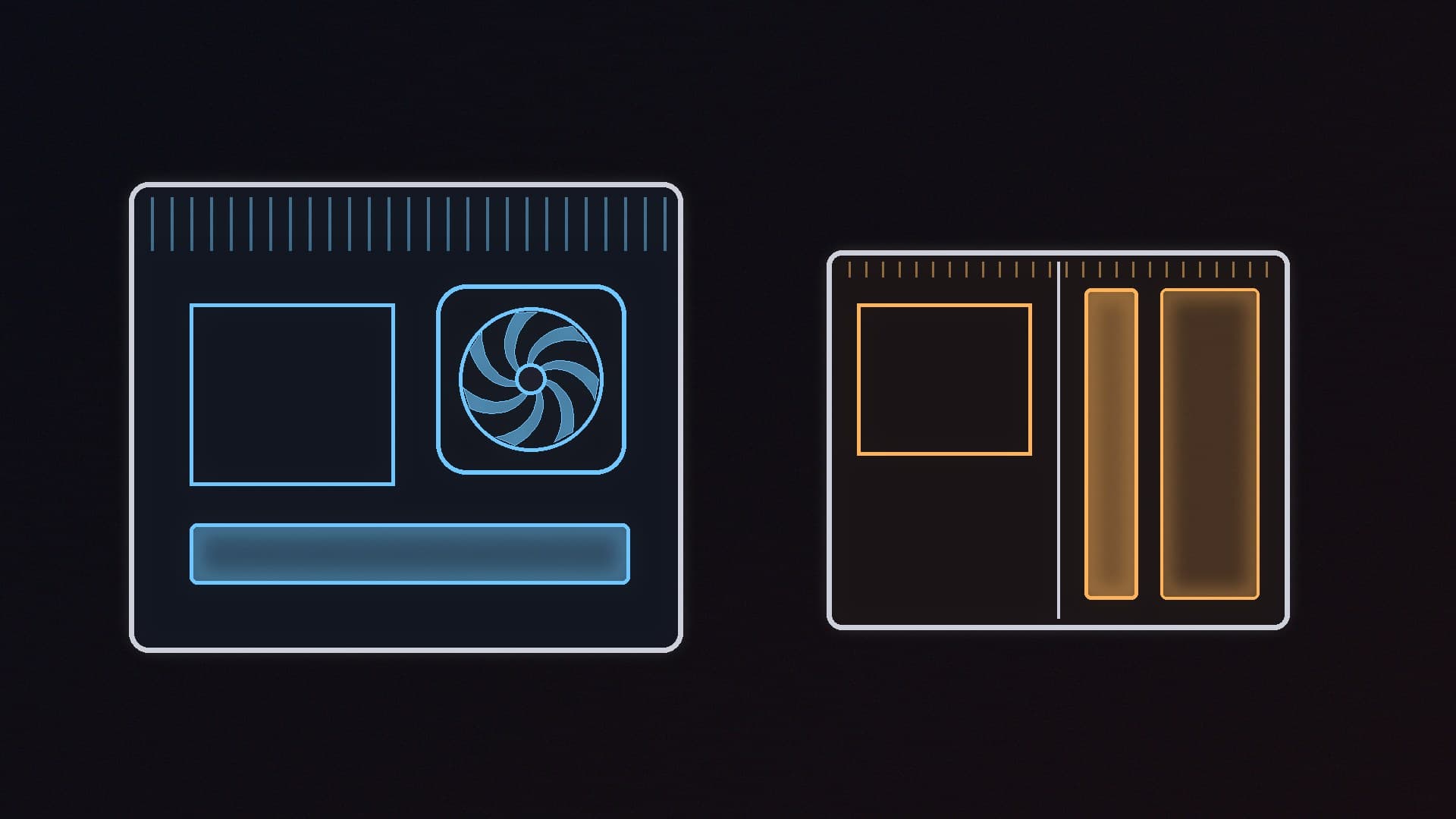
At 148mm, the Assassin X 120 Refined SE is 7mm shorter than the 155mm Peerless Assassin 120 SE. That can be the difference between fitting and not fitting in a compact mid-tower, so check your case maker's maximum cooler height. Our guide to checking whether a CPU cooler fits your case walks through it.
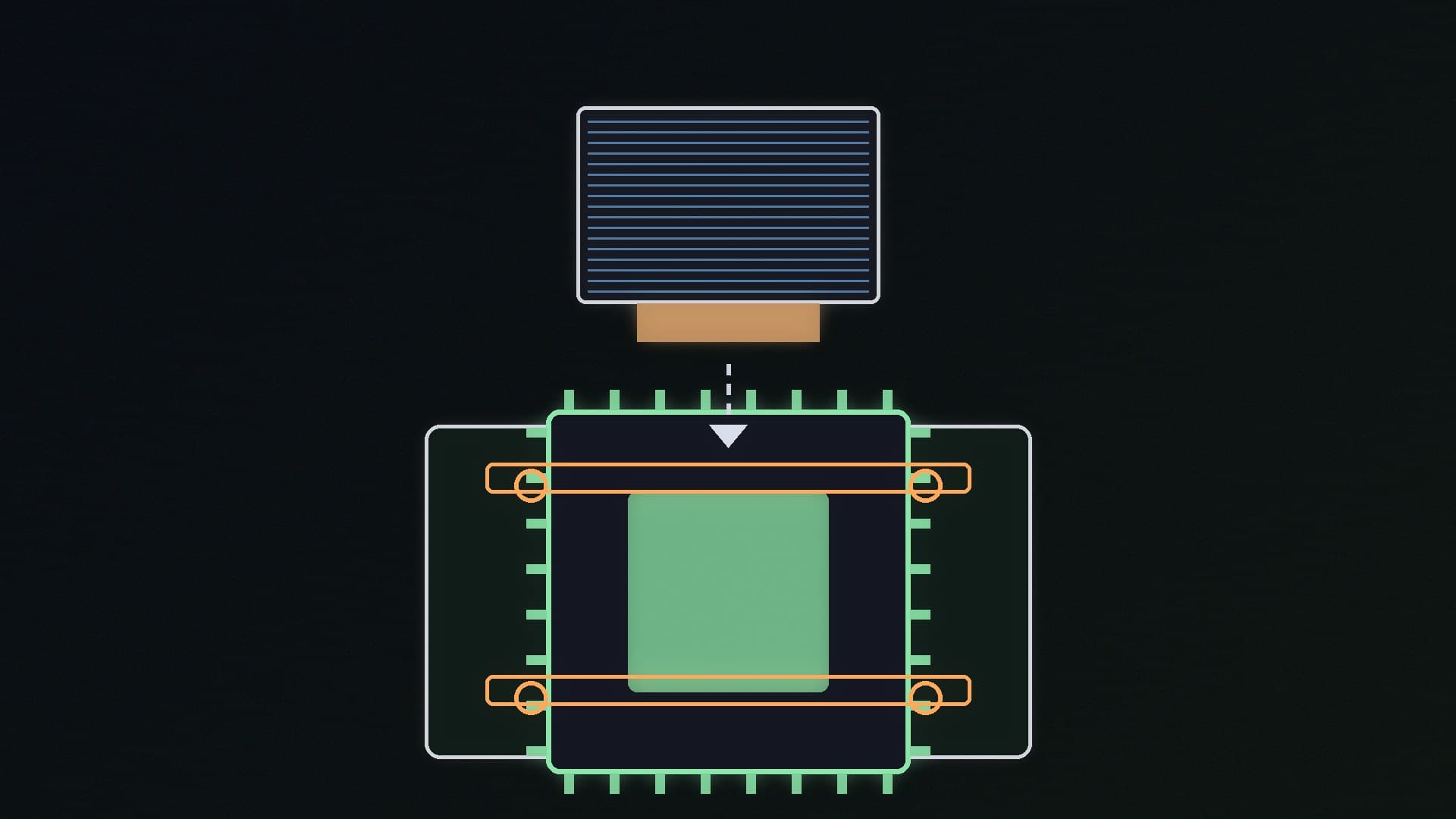
The single tower is also only 46mm deep against the dual tower's 110mm, according to Thermalright. A narrower heatsink usually leaves more room around the memory slots, which helps if you use tall RAM with heat spreaders or plan to swap memory often. Thermalright advises leaving clearance for tall memory modules on both coolers.
Lighting
Thermalright lists a 3-pin 5V ARGB connector for the Assassin X 120 Refined SE but not for the standard Peerless Assassin 120 SE. If you want lighting on the dual tower, look at the separate Peerless Assassin 120 SE ARGB. Plug ARGB leads into a 3-pin 5V header only, never a 4-pin 12V RGB header.
Which should you buy?
Choose the Peerless Assassin 120 SE if your case has at least 155mm of clearance and you're cooling a higher-end processor that runs hot for long periods, such as during rendering or long gaming sessions. It has more cooling hardware for not much more weight.
Choose the Assassin X 120 Refined SE if your case is limited to about 150mm, you want easier access to the RAM, or you're cooling a mid-range processor that doesn't need a dual tower. For other options in both styles, see our best budget CPU cooler guide, and if you're unsure how to fit either one, our thermal paste replacement guide covers the paste step.
Our verdict
The Peerless Assassin 120 SE is the better pick for most mid-tower builds with hotter processors: per Thermalright's specs it has a dual-tower heatsink and six heatpipes against the Assassin X 120 Refined SE's single tower and four, with the same fan model. The Assassin X 120 Refined SE makes more sense when space is tight, since it's 148mm tall and much narrower, which leaves more room for your RAM. Both support AM5 and LGA1851, and all figures here are Thermalright's own rather than our testing.