You've bought a capable graphics card, launched a game, opened an overlay and seen GPU usage hovering at 40, 50 or 60%. It's natural to assume something is wrong. Sometimes it is, but often low GPU usage is perfectly normal, and the fix is to understand what's limiting your frame rate rather than to force the number up. This guide walks through the checks in a sensible order, from the quick and common causes to the rarer hardware problems.
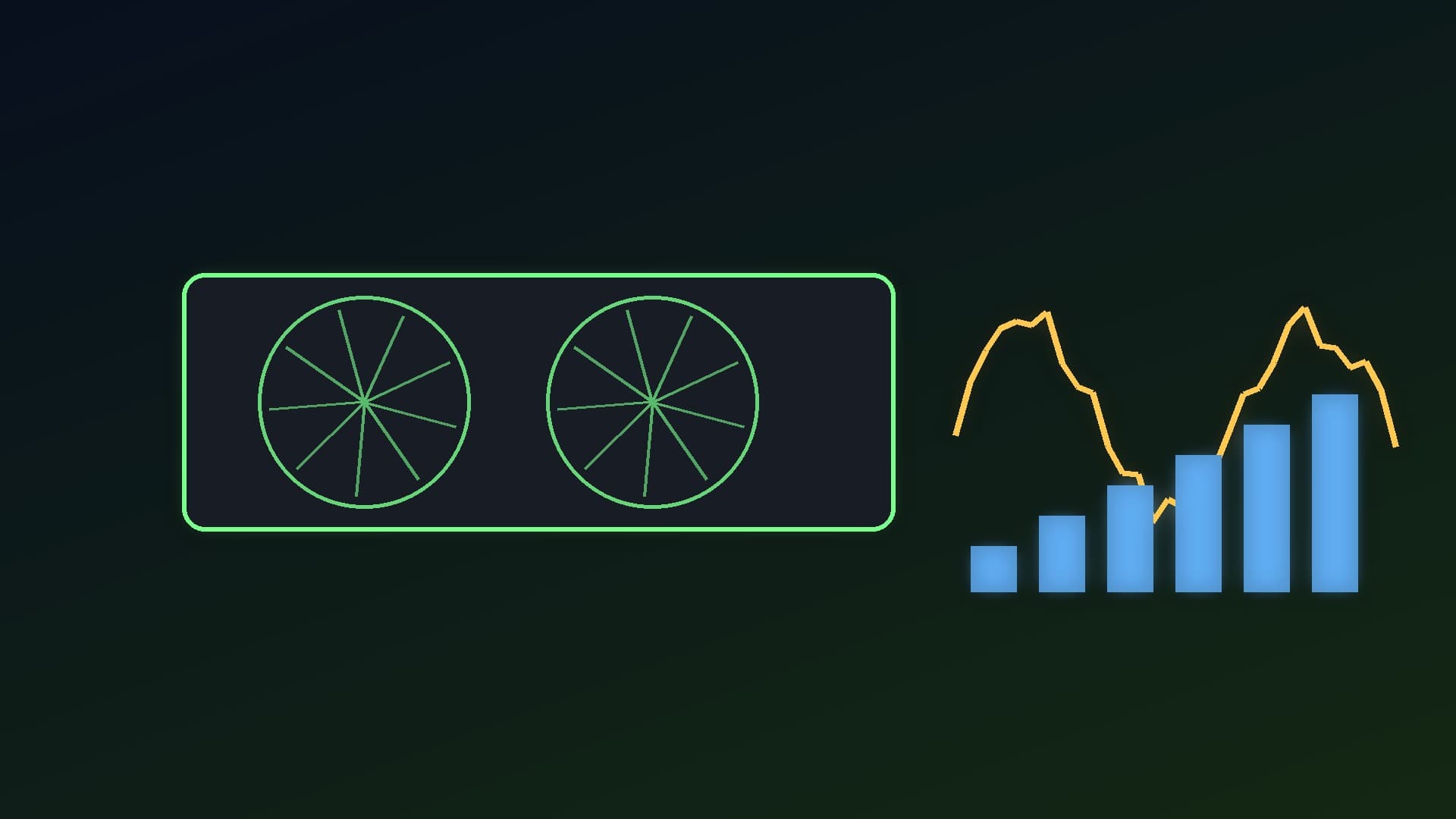
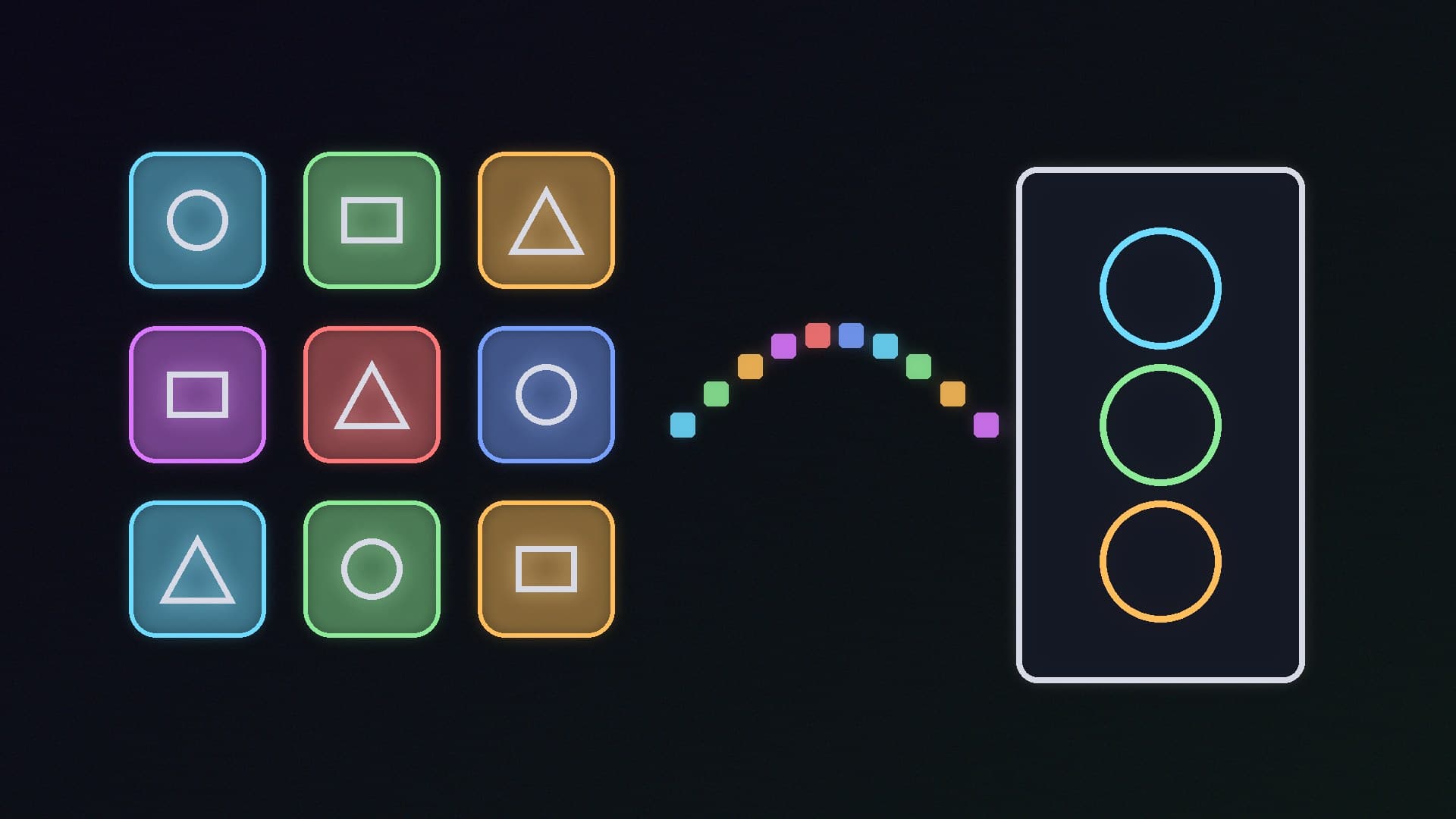
The key idea is simple. In any game, frames are prepared by the CPU and then rendered by the GPU. If the GPU is waiting for the CPU, for a frame cap, or for some other limit, its usage drops. A GPU at or near full usage is generally doing all the work it can; a GPU well below that, with a frame rate you're unhappy with, is usually being held back by something else.
Step 1: Measure GPU usage properly
Before changing anything, make sure the number you're looking at means what you think it does.
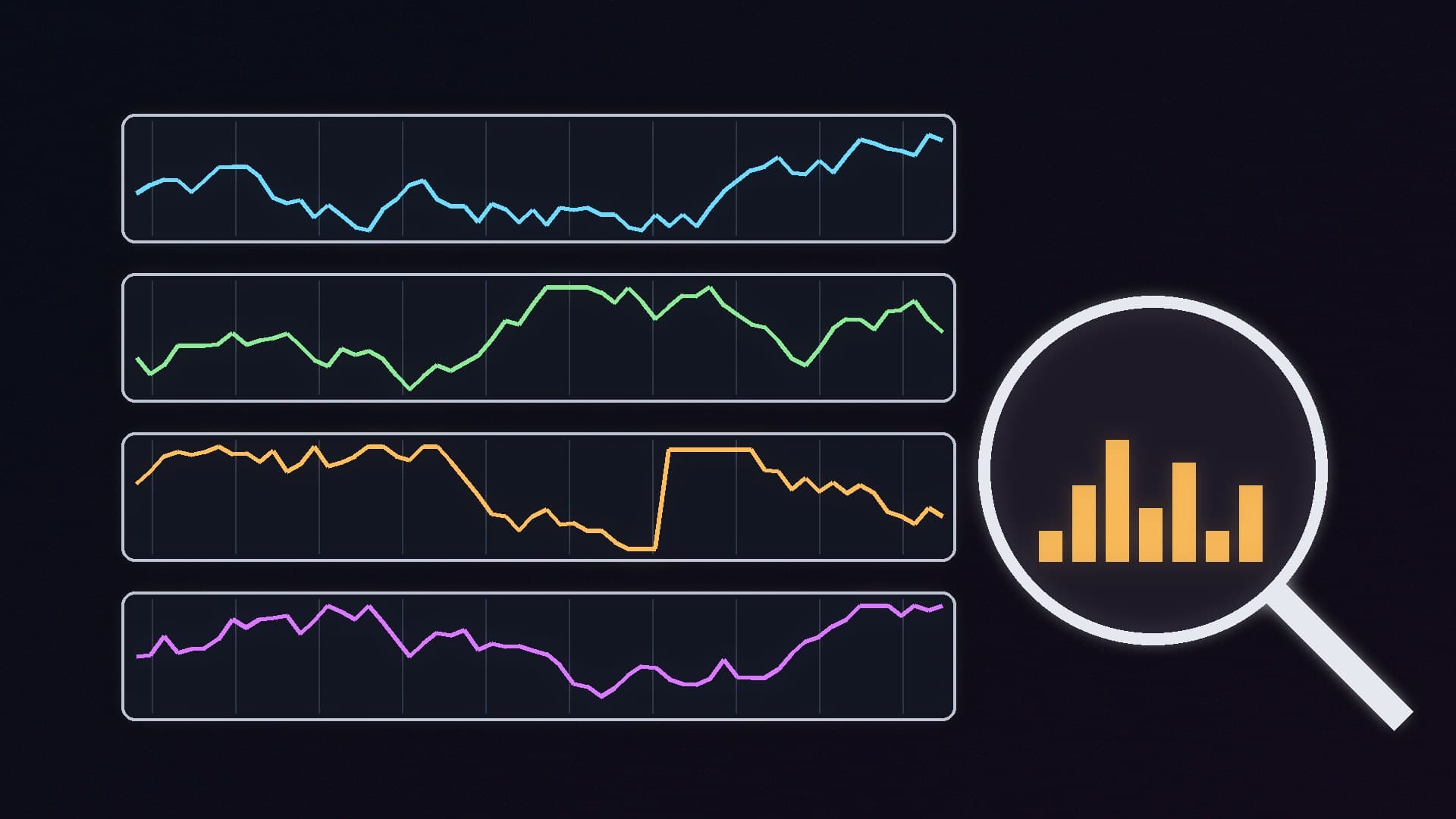
Task Manager. Press Ctrl+Shift+Esc, open the Performance tab and select your GPU. Microsoft's DirectX team explains that Task Manager reads its GPU data directly from Windows' own GPU scheduler and video memory manager, and that the headline percentage is the utilisation of the busiest GPU engine, not an average. The graphs show individual engines such as 3D, Copy and Video Decode, and you can click an engine's name to switch which one is shown. For games, the 3D engine is usually the one that matters.
Check you're looking at the right GPU, too. If your PC has integrated graphics as well as a graphics card, Task Manager lists them separately (GPU 0 and GPU 1, for example). A busy integrated GPU and an idle graphics card is a strong clue that the game is running on the wrong one; see step 4.
An in-game overlay. Task Manager is less convenient while you're playing. Intel's free PresentMon works with graphics cards from all the main vendors, not just Intel's, and supports DirectX 9, 11 and 12, OpenGL and Vulkan on Windows 10 and 11. Its "GPU Busy" metric is especially useful here: Intel says it shows the real-time balance between CPU and GPU, helping you see where the bottleneck is. If GPU Busy is close to your total frame time, the GPU is the limit; if it's much shorter, the GPU is waiting on something else. Our guide to monitoring temps and FPS with HWiNFO and Afterburner covers another popular overlay setup.
Measure in actual gameplay, not menus or loading screens, and over at least a minute or two. Usage naturally swings from scene to scene.
Step 2: Check for a frame rate cap
This is the most common reason for low GPU usage, and it isn't a problem at all. If your frame rate is being capped, the GPU finishes each frame early and then waits, so its usage drops. That saves power and heat, and it's exactly what you want.
Caps can come from several places:
V-Sync, which limits the frame rate to your monitor's refresh rate.
An in-game frame limiter, often in the display or graphics settings.
Your graphics driver. NVIDIA's Max Frame Rate setting lives in NVIDIA Control Panel under 3D Settings, and AMD says Radeon Chill dynamically regulates frame rate based on your in-game movement, using Chill Min and Chill Max caps that, on a fixed-refresh display, default to your monitor's peak refresh rate as the maximum. Our guide on how to cap FPS on NVIDIA and AMD shows where these live.
Battery or power-saving features on laptops. NVIDIA notes that Battery Boost and Whisper Mode can apply their own frame limits, and that the driver caps to the lowest active limit.
If your frame rate sits flat at a round number, such as 60, 144 or 165fps, a cap is almost certainly the reason. If you're happy with that frame rate, leave it alone. If you want more, raise or remove the cap, but bear in mind that running above your monitor's refresh rate brings diminishing returns, and that staying inside your variable refresh range gives the smoothest result. NVIDIA recommends capping slightly below your display's maximum refresh rate to stay within the VRR range.
Step 3: Check whether you're CPU-limited
If there's no cap and your frame rate still isn't where you'd like, the next most likely explanation is that your CPU can't prepare frames fast enough to keep the GPU busy. This is common in:
Competitive games played at high frame rates and low resolutions.
Simulation and strategy games with lots of units, physics or AI.
Older or poorly threaded game engines that lean on one or two CPU cores.
Systems that pair a fast new graphics card with an older processor.
A simple test: raise the resolution, or turn up GPU-heavy settings such as resolution scale, anti-aliasing or ray tracing, and watch the frame rate. If it barely changes while GPU usage climbs, you were CPU-limited. If it drops in proportion, the GPU was already the limit. PresentMon's GPU Busy metric gives you the same answer more directly.
Also watch individual CPU cores rather than the overall CPU percentage. A game can be limited by one heavily loaded thread while Task Manager shows the CPU as a whole at 30 or 40%.
If you are CPU-limited, you have a few options. You can turn up graphics settings for free, since the GPU has spare capacity. You can reduce CPU-heavy settings, such as crowd density, view distance or physics detail, which vary from game to game. Or you can plan a CPU upgrade. Our explainer on CPU bottleneck vs GPU bottleneck goes into this in more depth.
Step 4: Make sure the game is using the right GPU
On laptops and desktops with integrated graphics, a game can end up running on the wrong GPU. There are two common causes.
Your monitor is plugged into the motherboard. On a desktop with a graphics card, the display cable should go into the card's outputs, not the motherboard's video ports. It's an easy mistake when building a PC or after moving it, and it can leave you looking at the integrated graphics output instead of your card's.
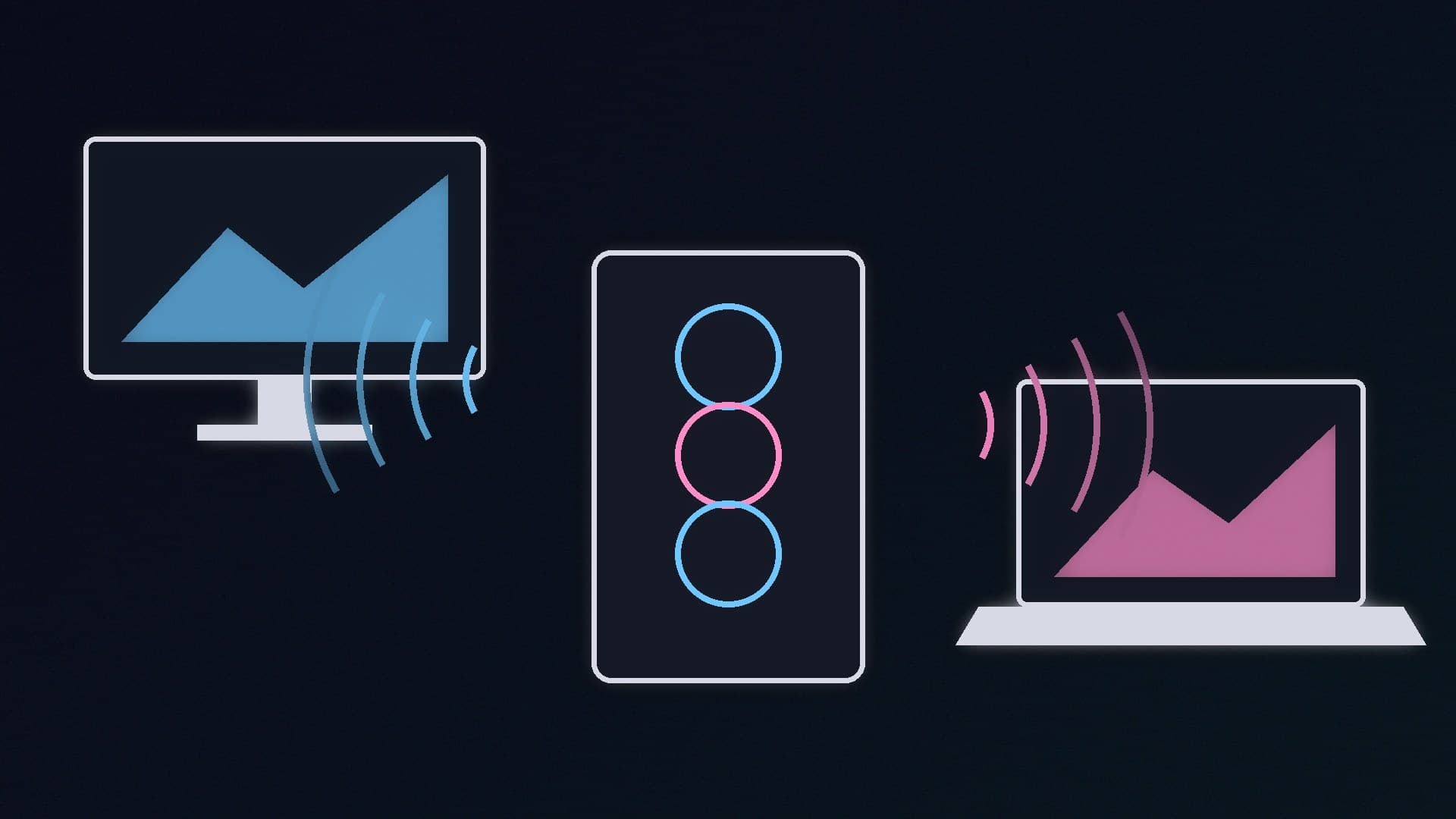
Windows' GPU preference. In Windows 11, go to Settings > System > Display > Graphics. Microsoft's DirectX team explains that the Custom settings for applications section lets you add a game with "Add desktop app" and set its GPU preference, and that a per-app preference overrides the system-wide setting. Set the game to the high-performance option, which should be your graphics card. On systems with more than one discrete or external GPU, Advanced graphics settings also lets you pick the default high-performance GPU. Our guide on choosing which GPU an app uses in Windows 11 walks through this with more detail.
Step 5: Check Windows and driver power settings
Power-saving settings can stop a GPU from boosting properly, especially on laptops.
Windows power mode. Microsoft's instructions are: Start > Settings > System > Power & battery, then under Power mode choose Best performance. If you can't change it, a custom power plan may be selected; Microsoft says to open Control Panel > System and Security > Power Options and select Balanced first.
NVIDIA power management mode. In NVIDIA Control Panel under 3D Settings, Power Management Mode can be set to Optimal Power or Prefer maximum performance. NVIDIA says Optimal Power works with a frame cap to reduce GPU frequency and save power, while Prefer maximum performance keeps the GPU at higher frequencies to process frames as quickly as possible.
Laptops on battery. Plug in before judging performance. Windows lets you set a separate power mode for battery and plugged in, and laptops commonly hold performance back on battery to save charge.
Step 6: Update or reinstall your graphics driver
A buggy driver, or an old one left behind after you've changed graphics cards, can cause poor GPU usage, stuttering and crashes. Download the latest driver for your card directly from NVIDIA, AMD or Intel. If you've switched brands, or problems began after an update, a clean reinstall is worth trying. Our guide to fixing "display driver stopped responding" errors covers clean driver installs step by step.
Step 7: Check the PCIe slot and link
This one is rarer, but it's worth ruling out if a powerful card performs far below expectations across every game. TechPowerUp's free GPU-Z shows your card's details, and TechPowerUp says it includes a GPU load test to verify the PCI Express lane configuration. GPU-Z shows the PCIe link the card supports and the one it's currently using. Graphics cards commonly drop to a slower link at idle to save power, which is why it's worth running that load test before drawing conclusions.
If the card is running at fewer lanes than it should, for example x4 instead of x16, check that it's in the top full-length slot (usually the one wired directly to the CPU), that it's fully seated, and that the slot hasn't been set to a lower speed in the BIOS. Your motherboard manual will show which slots share lanes with M.2 drives. If the card isn't being detected properly at all, see our graphics card not detected fix guide. It's also worth checking that Resizable BAR is enabled if your platform supports it.
Step 8: Rule out heat and power limits
A graphics card that's overheating, or a PSU that can't deliver steady power, can throttle clock speeds. Usually this shows up as falling clocks and frame rates during long sessions rather than consistently low usage, but it's worth checking. Watch the GPU temperature, clock speed and power draw in your overlay over a long session. If temperatures climb and clocks fall, improve case airflow and clean out dust; our guide on how to stop a PC overheating covers the basics.
Step 9: Accept that some games just behave this way
Some games simply don't use a graphics card fully, however fast your PC is. Engine limits, single-threaded code, online server tick rates and shader compilation can all leave the GPU waiting. If you see short spikes and dips rather than steady low usage, our guide to fixing stuttering in PC games may be more relevant. In these cases, check the game's patch notes and community forums, and use the spare GPU capacity for higher visual settings.
Our verdict
Low GPU usage is usually a symptom rather than a fault. Start by measuring it properly with Task Manager or Intel's PresentMon and its GPU Busy metric, then check for a frame cap, which is normal and good, and for a CPU limit, which you can test by raising resolution or GPU-heavy settings. After that, make sure the game is running on the right GPU, set Windows and your driver to performance modes, update your driver, and confirm the card is running at the right PCIe link with GPU-Z. If none of that changes anything, the game itself is likely the limit, so turn up the visual settings and enjoy the extra quality for free.