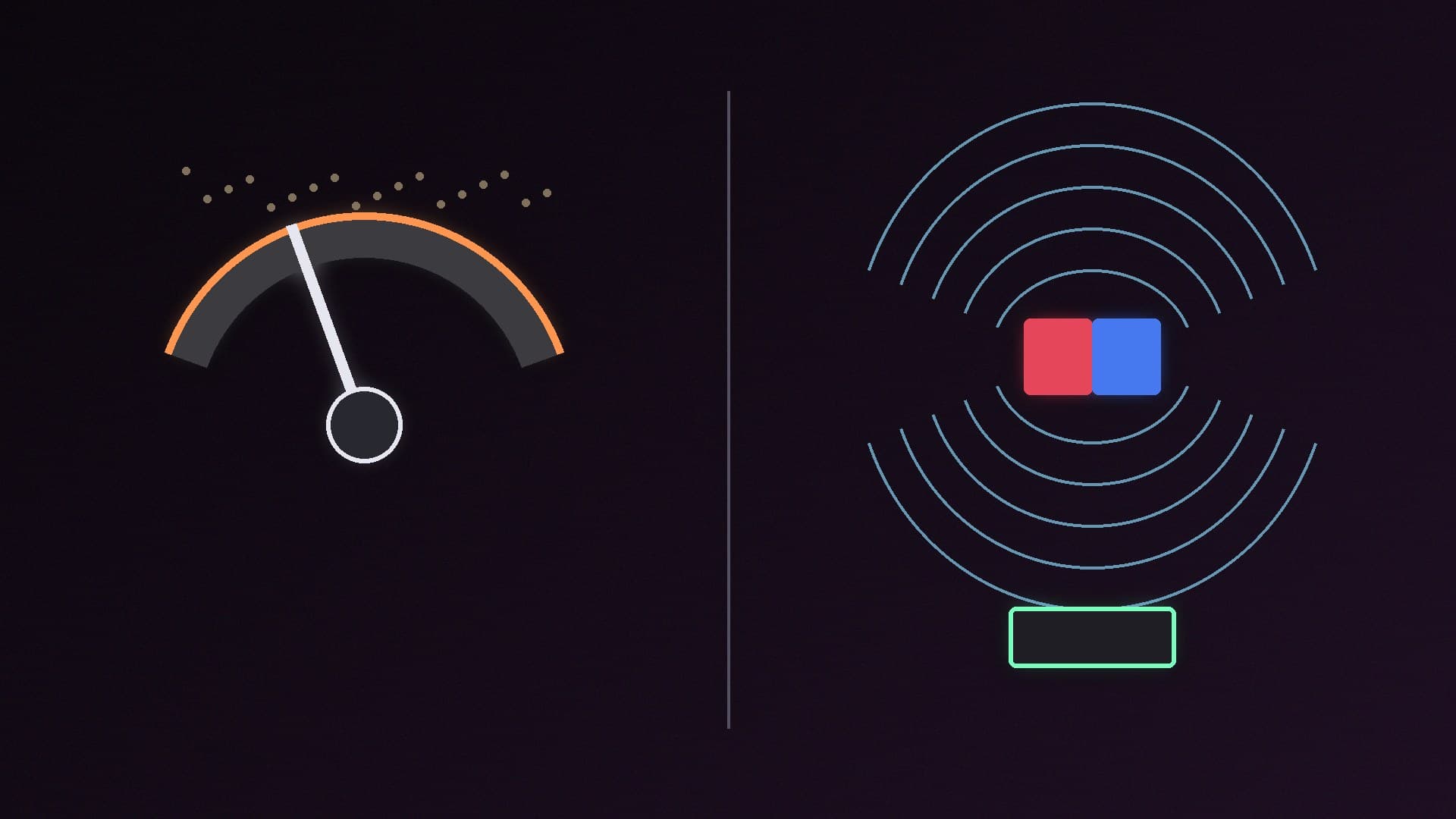
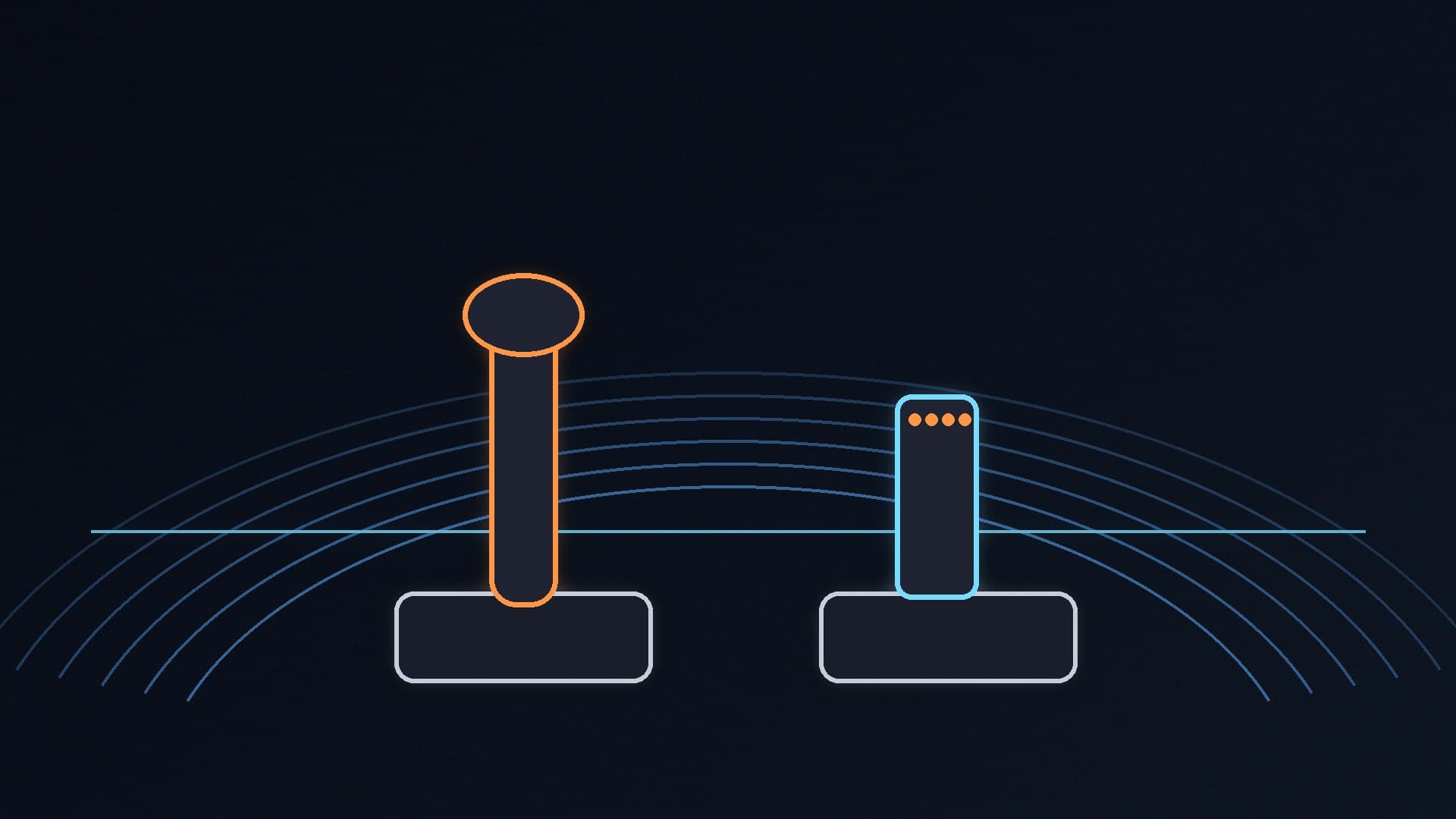
Stick drift, where a controller registers movement when nobody is touching the stick, is the fault most PC gamers end up fighting sooner or later. It is also why "Hall effect" and, more recently, "TMR" have become headline features on controller boxes. This comparison explains how traditional potentiometer sticks work, what magnetic Hall effect and TMR sticks change, and what they don't. It draws on The Verge's explainer (which cites iFixit and controller maker GuliKit), an independent analysis by ControlChecker and a Texas Instruments application note.
Quick comparison
| Potentiometer (carbon track) | Hall effect | TMR (tunnelling magnetoresistance) |
|---|
How it senses position | A wiper slides along a carbon film strip | A sensor reads a magnet's field | A sensor reads a magnet's field |
Sliding electrical contact | Yes | No | No |
Main wear mechanism | Carbon track wear, plus dirt on the track | No track to wear | No track to wear |
Still needs calibration | Yes | Yes | Yes |
Power draw (GuliKit's figures, via ControlChecker) | Low | About 0.5 to 2 mA per sensor | About 0.1 to 0.3 mA per sensor |
Where you find it | Most console first-party pads, as The Verge reports | Many third-party PC pads | Newer third-party pads and replacement sticks |
How potentiometer sticks work, and why they drift
The Verge, drawing on iFixit's teardown explanation, describes the standard design used in recent Xbox, PlayStation and Switch controllers. Each stick has two potentiometers, one for each axis. Inside each is a semicircular carbon film strip with current flowing through it, and a wiper that slides along the strip as you move the stick. The voltage the wiper picks up tells the controller where the stick is.
The weakness is that the wiper physically rubs the strip. As The Verge puts it, the carbon film "can wear down over time", and dirt on the film, whether from wear or from dust and crumbs getting inside, can also upset the reading. Once the resting voltage no longer matches centre, the game sees movement that isn't there.
The Verge also notes why potentiometers are still everywhere: they're cheaper to make.
How Hall effect sticks work
A Hall effect stick keeps the same lever, but replaces the carbon tracks with a magnet on the stick and a sensor that measures its magnetic field. Nothing slides against anything, so the mechanism that wears out a carbon track simply isn't there. The Verge points out that Hall sensors aren't new (Sega used them in controllers in the 1990s) and that GuliKit helped bring them back to gaming controllers from 2021.
The trade-off The Verge highlights is power: Hall sensors need more current than potentiometers, which matters in a wireless controller.
Where TMR fits in
TMR sensors also read a magnet, so they share the main advantage: no sliding contact. GuliKit told The Verge that TMR sensors "generally have higher sensitivity and more linear response compared to Hall effect sensors", which can allow smaller magnets.
The bigger practical difference is power. ControlChecker summarises GuliKit's figures as roughly 0.5 to 2 mA for a single linear Hall sensor and 0.1 to 0.3 mA for a TMR sensor, compared with about 1 mA that controllers designed around carbon sticks provide. That's why GuliKit argues replacement sticks for existing first-party controllers should be TMR rather than Hall: a Hall module may not get enough current in a pad designed for potentiometers. Controllers designed for magnetic sticks from the start can budget for either.
What magnetic sticks don't fix
Hall effect and TMR sticks remove the most common cause of drift, but they aren't immune to every problem:
They still need calibrating. ControlChecker explains that a magnetic sensor doesn't "know" where centre is, and its output can shift slightly with temperature and over its lifetime. Texas Instruments' application note on Hall effect joysticks also notes that the small neodymium magnets used in these designs have greater temperature drift. Calibration is part of normal use, not a sign of a fault.
Other magnets can interfere. ControlChecker notes that GuliKit shields its TMR sticks for Joy-Con 2, which attaches with magnets, to keep stray fields out of the reading.
Resolution doesn't automatically improve. GuliKit, as reported by ControlChecker, says resolution depends on the controller's own sampling rather than the stick type.
Which should you choose?
For a new PC controller, a magnetic stick (Hall effect or TMR) is the sensible default if you want the stick to last, because it removes the wear mechanism behind most drift. Our best PC controller guide notes that Hall effect and TMR sticks have moved from premium pads into mid-priced ones, so you no longer need a premium pad to get them.
Between Hall and TMR, the differences are smaller than the jump from potentiometers. TMR's lower power draw is a real advantage for wireless pads and is the main reason it's used for replacement sticks. If you're replacing worn sticks in an existing first-party controller, follow the replacement-stick maker's guidance on which type the controller supports.
A potentiometer controller is still a reasonable choice if it's the official pad you want for compatibility or feel. If it does start to drift, calibration and deadzone settings can often hide mild drift. For wireless connection options, see Bluetooth vs 2.4GHz wireless.
Our verdict
Potentiometer sticks drift because a wiper physically rubs a carbon track, which wears and collects dirt. Hall effect and TMR sticks read a magnet instead, so that wear mechanism is gone, which is why they're the better choice for a controller you want to last. TMR uses less power than Hall and is preferred for replacement sticks in controllers designed for potentiometers. Neither type ends calibration, though: magnetic sensors still need to know where centre is.