Skip to content

VersusStreaming Gear

Shure SM7B vs SM7dB: Is the Built-In Preamp Worth Paying For?

The Shure SM7dB is the SM7B with a built-in preamp that adds +18dB or +28dB of gain from phantom power. Using Shure UK's official pages, we compare the two: same cardioid dynamic design and EQ switches, different power needs, different boxes and a £140 gap in Shure UK's RRPs. Here's which to buy for your interface.

By , Senior Hardware Editor

3 min read

Shure SM7B vs SM7dB: Is the Built-In Preamp Worth Paying For?
Elgato Wave XLR MK.2 Mic Interface compared with Elgato Wave Mic Arm MK.2
Elgato Wave XLR MK.2 Mic InterfaceElgato Wave Mic Arm MK.2
Accessory TypeMic InterfaceMicrophone Arm
CompatibilityVarious MicrophonesUniversal
ColourBlackBlack

The Shure SM7B has been the default broadcast microphone for podcasters and streamers for years, but it has one well-known catch: it needs a lot of gain, and many affordable audio interfaces can't supply enough of it cleanly. The SM7dB is Shure's answer, the same design with a preamp built in. This comparison uses Shure UK's official product pages. Independent reviews are the place to hear them side by side. Prices are Shure UK's recommended retail prices, checked on 28 November 2026, and are approximate.

Specifications compared

Shure SM7B

Shure SM7dB

Type

Dynamic

Dynamic with built-in preamp

Polar pattern

Cardioid

Cardioid

Built-in gain

None

Selectable +18dB or +28dB, or bypass

Power needed

None (passive)

+48V phantom power for the preamp

EQ switches

Bass roll-off and presence boost

Bass roll-off and presence boost

Shock isolation

Internal air suspension

Internal air suspension

Windscreens

Standard windscreen plus A7WS close-talk windscreen

Close-talk windscreen

Also in the box

RPM602 switch cover plate

3/8in thread adapter

Shure UK RRP (approx., 28 Nov 2026)

£409

£549

The one real difference: the preamp

Everything that makes the SM7B popular carries over to the SM7dB: the cardioid pattern, the bass roll-off and presence boost switches, the internal air-suspension shock isolation, the built-in pop filter and the shielding against hum from monitors and other electronics. Shure says its engineers ensured the SM7dB has the same sound signature as the SM7B.

What the SM7dB adds is a Shure-designed preamp, using technology licensed from Cloud, that provides either +18dB or +28dB of low-noise, flat gain. Shure suggests +28dB for podcasting and quiet vocals and +18dB or bypass for loud sources such as a guitar cabinet. With the switch set to bypass, the preamp is off and the microphone behaves like an original SM7B.

Phantom power: the catch to check

The SM7B is a passive dynamic microphone and doesn't need power. The SM7dB's preamp needs +48V phantom power from your interface or mixer. Check that your interface or mixer has a +48V phantom power switch before you buy. Without phantom power, you can still use the SM7dB in bypass mode, but then you're back to needing a high-gain interface, which defeats the point.
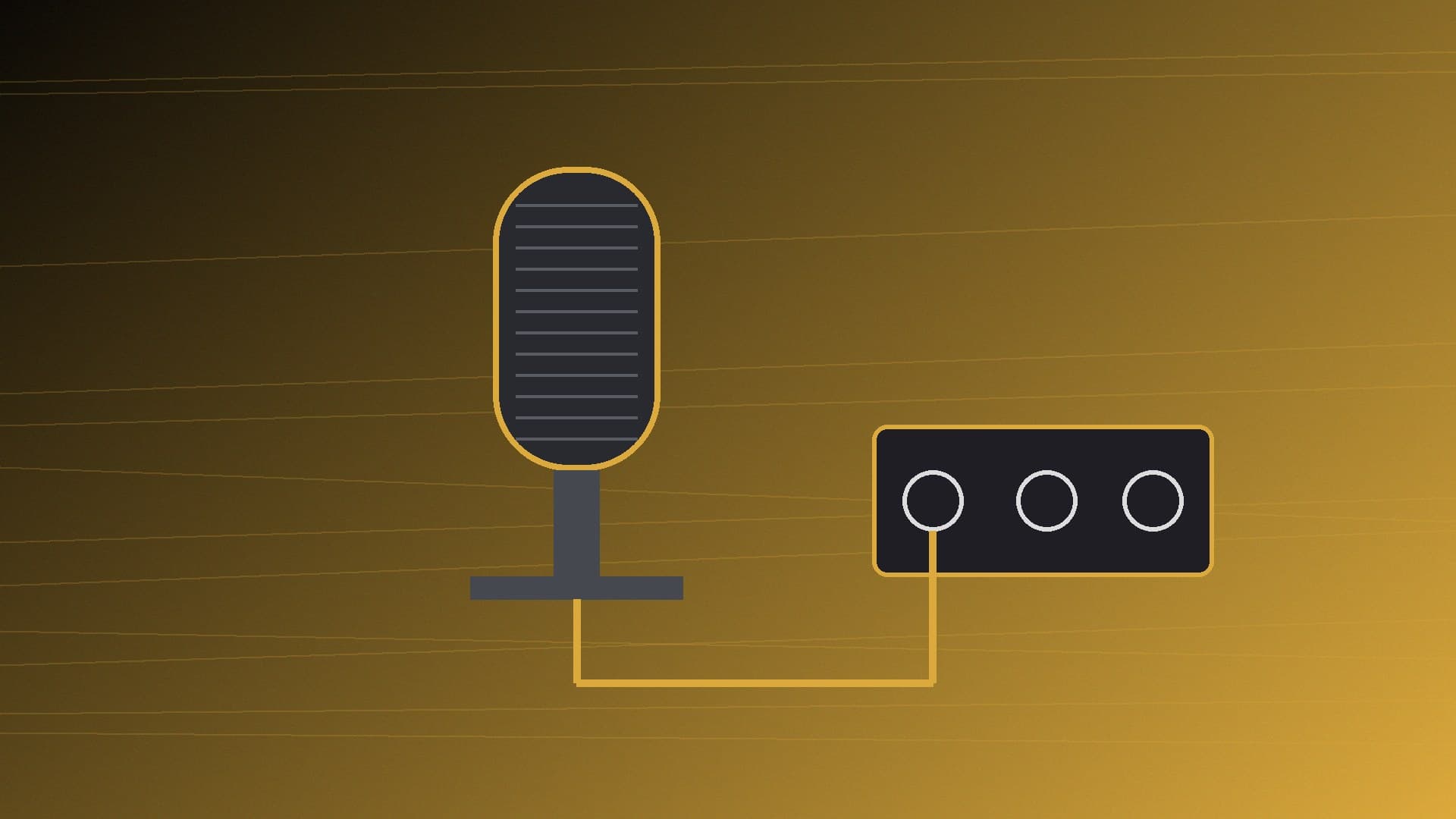
Our guide to connecting an XLR microphone to a PC explains phantom power and gain staging.

Which costs less overall?

On Shure UK's RRPs, the SM7dB costs £140 more than the SM7B. Whether that's worth it depends on what you already own:

  • You already have a high-gain interface (or an in-line booster): the SM7B is the cheaper way to the same microphone.

  • You have a typical budget interface: many SM7B owners add an in-line booster. The SM7dB does that job inside the microphone, with one fewer box and one fewer cable on your desk.

  • You're buying everything new: the SM7dB gives you more freedom to choose a cheaper or more compact interface.

Which should you buy?

Buy the SM7B if your interface already drives it well, or if you want the lowest-cost route to the SM7 sound. Buy the SM7dB if you're starting from scratch, your interface is modest, or you want to avoid an in-line booster. Either way, a sturdy boom arm helps you keep the microphone close to your mouth, which is how Shure's close-talk windscreen is designed to be used. Our best XLR microphone guide covers cheaper dynamic alternatives from RØDE and others, and best microphone arm has arm picks.

The bottom line

The Shure SM7B and SM7dB are both cardioid dynamic microphones with the same bass roll-off and presence boost switches, and Shure says they have the same sound signature. The SM7dB adds a built-in preamp with +18dB or +28dB of gain, powered by +48V phantom power, for a Shure UK RRP of £549 against £409 for the SM7B (approximate, 28 November 2026). Choose the SM7dB if your interface has limited gain; choose the SM7B if it already has plenty. We haven't tested either microphone.

Sources

  1. 01Shure UK, SM7B Vocal Microphone
  2. 02Shure UK, SM7dB Dynamic Vocal Microphone With Built-in Preamp

About the author

Callum Reid

Senior Hardware Editor

Callum leads GPU, CPU and platform architecture coverage at Forge PC. Before joining the editorial desk, he spent nine years specifying, assembling and stress-testing custom gaming and workstation systems in the UK, with a focus on PCIe bandwidth, VRM thermal design, DDR5 memory tuning and 1440p/4K frame-time consistency.

More from Callum Reid

Read next

Best XLR Microphone for Streaming and Podcasting 2026

Best Picks

Best XLR Microphone for Streaming and Podcasting 2026

An XLR microphone and an audio interface give you room to grow. Using official Shure, RØDE and Audio-Technica specs, we pick the Shure SM7dB as best overall for its built-in preamp, the SM7B as the classic choice, the RØDE PodMic and Procaster for value, the Shure MV7+ as a USB/XLR hybrid, and the NT1 5th Generation and AT2020 condensers.

Hannah Vance4 min

Best Free Webcam Software for Windows 11 in 2026

Best Picks

Best Free Webcam Software for Windows 11 in 2026

The best webcam software for Windows 11 is free, and some of it is already on your PC. We pick the best options for setting camera defaults, quick recordings, AI background blur and framing on Copilot+ PCs and RTX desktops, custom OBS scenes and Elgato Facecam controls, based on official documentation.

Hannah Vance6 min

Insta360 Link 2 vs Link 2C: Which 4K Webcam Should You Buy?

Versus

Insta360 Link 2 vs Link 2C: Which 4K Webcam Should You Buy?

The Insta360 Link 2 and Link 2C share a 4K 1/2-inch sensor camera, F1.8 lens and AI noise-cancelling mics. Using Insta360's spec sheet, we compare the Link 2's 2-axis gimbal tracking with the smaller, lighter Link 2C and its privacy shutter.

Callum Reid2 min