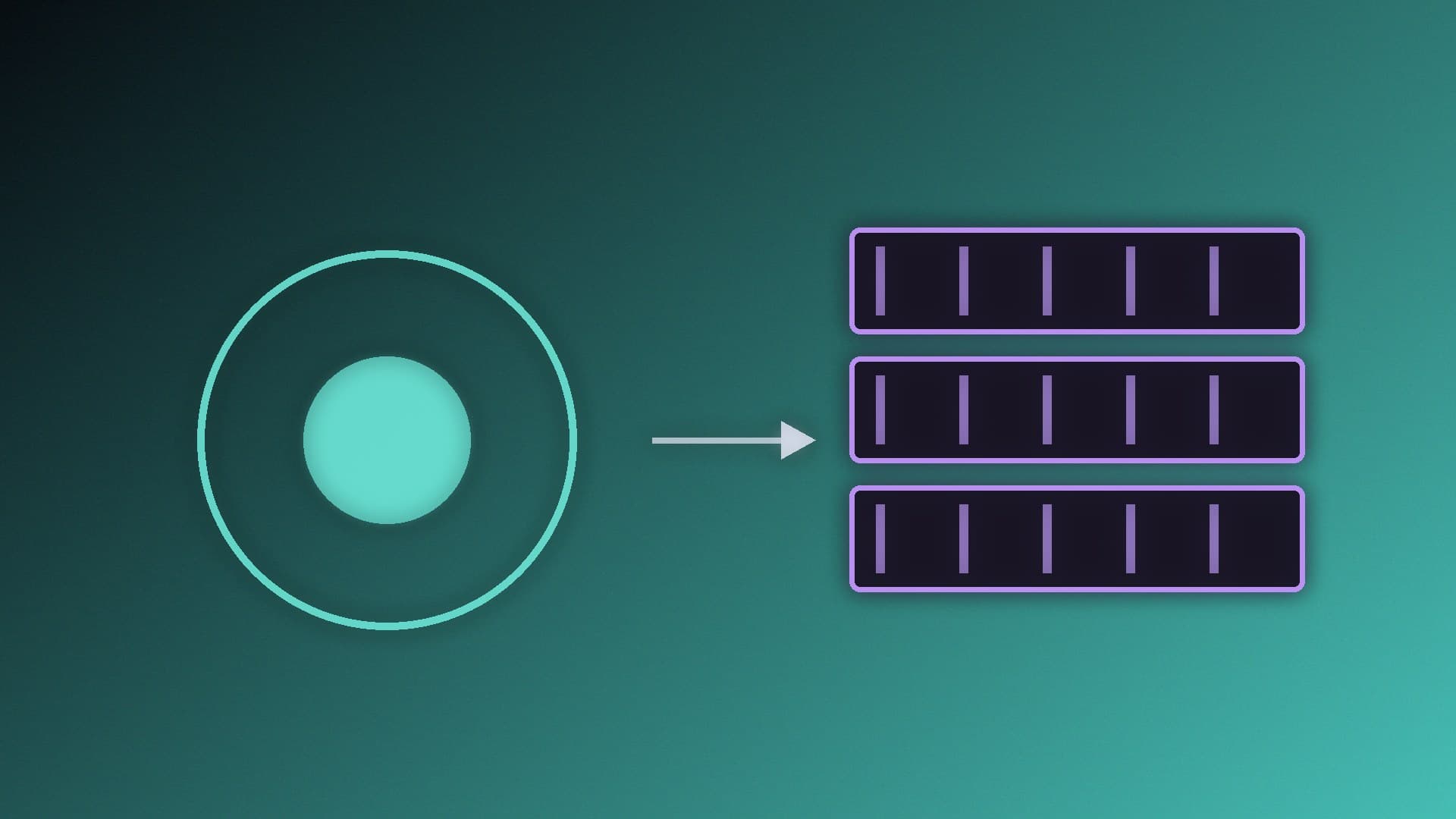
Ollama is the tool most people reach for when they want to run AI models on their own PC: install it, type ollama run and you're chatting. RamaLama, an open-source project from the containers community behind Podman, takes a different approach. Instead of installing AI software on your system, it runs each model inside a container that's matched to your graphics card.
Both are free, both are MIT licensed, and both can serve models to other apps. This comparison explains where they differ and who should use which. Everything below comes from Ollama's GitHub README and official documentation and the RamaLama README on GitHub, all read on 27 November 2026. Both projects change quickly, so check their docs for the latest details.
The short version
| Ollama | RamaLama |
|---|
How it runs models | A native app and background service | Inside Podman or Docker containers |
Windows | Native Windows app (Windows 10 22H2 or newer) | Needs Docker Desktop or Podman Desktop with WSL2 |
NVIDIA GPUs | Yes, compute capability 5.0+ with driver 550 or newer | Yes, via a CUDA container image |
AMD GPUs | ROCm v7 or Vulkan | ROCm or Vulkan images |
Intel GPUs | Via Vulkan on Windows and Linux | Intel Arc on Linux, other Intel GPUs via Vulkan on Linux |
Where models come from | Mainly Ollama's model library | Hugging Face, ModelScope, OCI registries, RamaLama's registry and (for now) Ollama's library |
Isolation | Runs on your system | Read-only model mount, no network for ramalama run, container removed on exit |
API | Port 11434, own API plus OpenAI and Anthropic compatibility | REST API from ramalama serve, port 8080 by default |
Licence | MIT | MIT |
Setup and Windows support
Ollama is the easier install on Windows. Its documentation says it runs as a native Windows application with NVIDIA and AMD Radeon GPU support, runs in the background once installed and makes the ollama command available in Command Prompt, PowerShell or any terminal. The requirements are Windows 10 22H2 or newer, NVIDIA driver 551.61 or newer for NVIDIA cards, and either an AMD ROCm v7-capable driver or a Vulkan-capable Radeon driver for AMD cards. The installer doesn't need administrator rights and needs at least 4GB of space before you add any models.
RamaLama needs a container engine first. Its README says Windows support requires Docker Desktop or Podman Desktop with the WSL2 backend, and points NVIDIA owners to a separate guide for GPU access in WSL2. On Linux, especially Fedora, it's much more at home: you install Podman or Docker, then RamaLama, and on first run it inspects your system for a GPU, falls back to the CPU if it doesn't find one, and pulls the container image built for your hardware. If you've never set up GPU access inside WSL2, our guide to setting up WSL2 for local AI covers the groundwork.
Winner: Ollama, especially on Windows.
Graphics card support
Both cover the main GPU brands, but in different ways. Ollama's hardware page says it supports NVIDIA GPUs with compute capability 5.0 and newer on driver 550 or later (cards with compute capability 5.0 to 6.2 need driver 570 or later), AMD Radeon cards through ROCm, and additional GPUs on Windows and Linux through Vulkan, which it says is enabled by default.
RamaLama's README lists CPU, NVIDIA (CUDA), AMD (ROCm or Vulkan), Intel Arc GPUs on Linux, other Intel GPUs via Vulkan on Linux and Apple Silicon, among others. It auto-detects a list of Intel GPUs that includes the Arc B580 and B570, so a card like the Intel Arc B580 Limited Edition 12GB gets a dedicated Intel image on Linux. The advantage of RamaLama's approach is that the GPU software lives inside the container image, so you don't install CUDA or ROCm libraries for the AI runtime on your system yourself, though the host still needs working GPU drivers and container GPU access.
Not sure your card is being used? Our guide to checking whether your GPU works with Ollama covers the Ollama side.
Winner: draw. Ollama is simpler on Windows; RamaLama's per-GPU images are tidier on Linux, particularly for Intel Arc.
Models
Ollama's model library is its big strength: you pull models by short names such as gemma4 or qwen3-coder, and the library pages list sizes, context windows and tags. RamaLama pulls from more places. Its README lists Hugging Face, ModelScope, Ollama's library, OCI container registries such as quay.io and Docker Hub, and its own registry, and you can pick one with a prefix such as huggingface:// or oci://.
There's an important caveat. RamaLama's README says names without an organisation still default to Ollama's library, but warns that "Ollama models are no longer compatible with llama.cpp" and that support for the Ollama transport will be removed in a future release, advising users to move to Hugging Face models. So don't plan a RamaLama setup around Ollama's library.
Winner: Ollama for ease of finding models; RamaLama for choice of sources.
Security and isolation
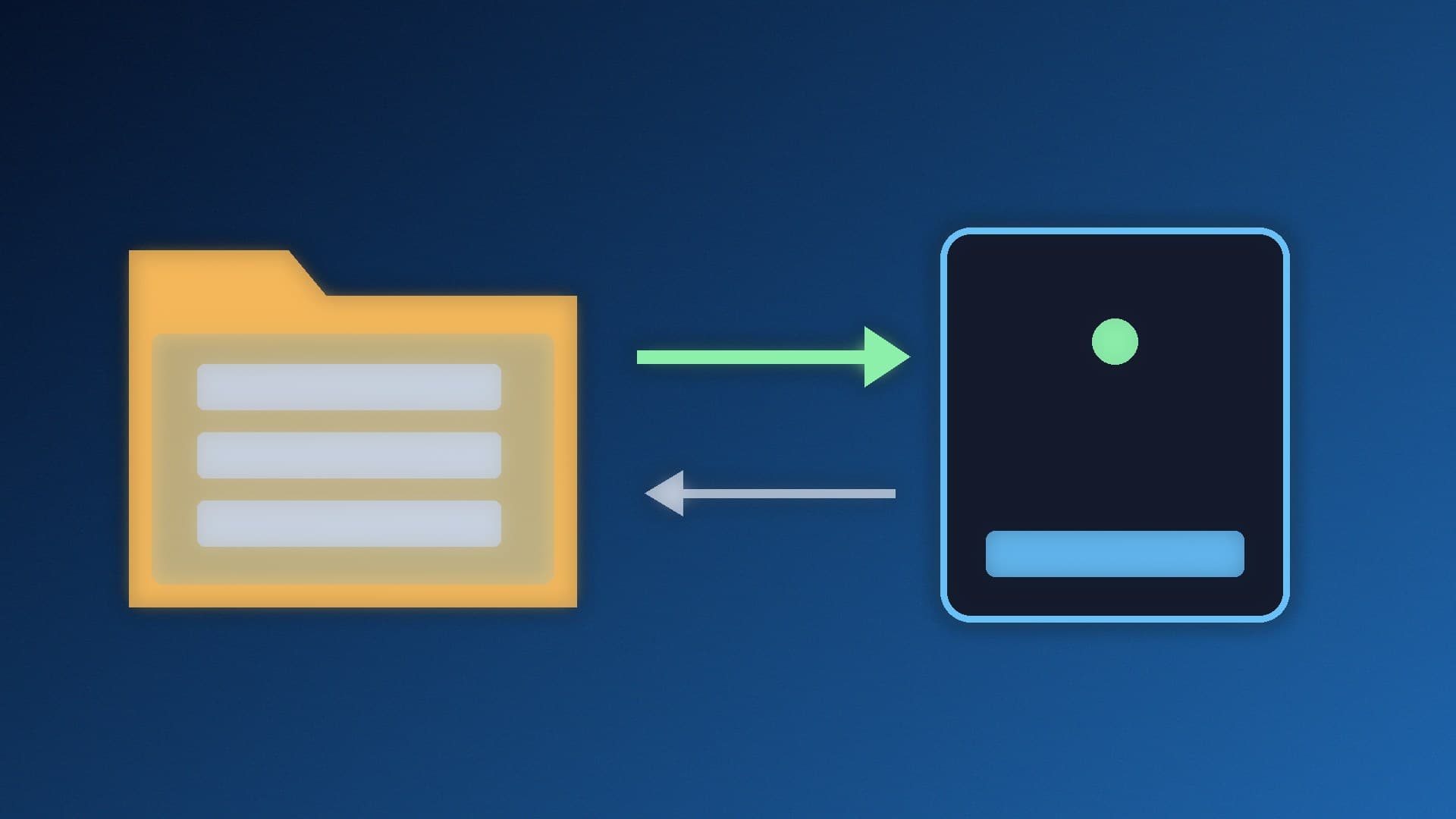
This is RamaLama's main selling point. Its README says models run in rootless containers, the model file is mounted read-only so the container can't change host files, ramalama run uses --network=none so the model can't reach the network, and containers are run with --rm, so anything written during the session is deleted when you exit.
Ollama runs directly on your system as a normal application and service. That's fine for most home users, but if you're testing models from unfamiliar sources or want a strict separation between AI software and the rest of your machine, RamaLama's defaults are stronger.
Winner: RamaLama.
Using it from other apps
Ollama serves its API on http://localhost:11434, and its documentation lists OpenAI and Anthropic compatibility alongside its own API, and its README lists a long line of community apps and libraries that integrate with it. Our guide to Ollama's OpenAI-compatible API shows how to connect other tools.
RamaLama's ramalama serve runs a model as a REST API server. The README says the default port is 8080 if it's free, otherwise a random free port between 8081 and 8090, and it includes an optional web interface you can switch off with --webui off. You can run several models at once in the background, each on its own port, and list or stop them with ramalama containers and ramalama stop. Front ends such as Open WebUI can connect to either.
Winner: Ollama, because more apps support it directly.
RamaLama has some features Ollama doesn't. Its README describes ramalama bench and ramalama perplexity for testing a model, ramalama convert and ramalama push for packaging a model as an OCI image and uploading it to a registry, and ramalama rag for turning documents into a retrieval database inside an image. It can also use vLLM as well as llama.cpp as the engine, and MLX on Apple Silicon Macs.
Ollama's extras are aimed at everyday users: a native Windows app, a large library of ready-to-run models and ollama launch commands that set up coding tools such as Claude Code and OpenCode with a local model. If you prefer containers but want to stay with Ollama, our guide to running Ollama in Docker is a middle ground.
Which should you choose?
Choose Ollama if you use Windows, want the quickest setup, or need the widest app support. It's the right choice for most PC owners. A 16GB card such as the ASUS RTX 5060 Ti 16GB Dual OC works with it without any container setup.
Choose RamaLama if you run Linux, already use Podman or Docker, want models isolated from your system, or want to manage models like container images and pull them from Hugging Face or a registry.
For a step-by-step RamaLama setup, see our guide to running local AI models with RamaLama. For another container-based option, read Ollama vs Docker Model Runner.
Our verdict
Ollama is the better choice for most people, especially on Windows: it installs as a native app, supports NVIDIA, AMD and (via Vulkan) other GPUs, has the easiest model library and works with the most apps. RamaLama is the better choice for Linux users who like containers, because it picks a GPU-matched container image for you, keeps models isolated with read-only mounts and no network access, and pulls from Hugging Face and OCI registries. Just avoid relying on its Ollama library support, which its developers plan to remove.