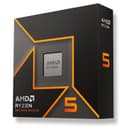
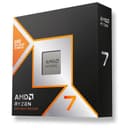
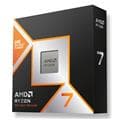
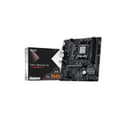
If you're about to buy a new processor, the obvious worry is that something faster is just around the corner. AMD has given AM5 buyers a clearer answer than usual: it will keep supporting the socket through 2029. The next architecture, Zen 6, is also being lined up for that same socket. The question is whether that is a reason to buy now, or a reason to sit on your wallet.
This is a platform explainer, not a review of unreleased chips. Forge PC hasn't tested any Zen 6 processor, and AMD has not published desktop model names, prices, core counts or a launch date. What's confirmed, and what is still reporting, is set out below. UK processor prices are approximate, from SpecPrice's tracker, updated at 07:57 GMT on 13 November 2026.
What AMD has actually said
At Computex 2026, AMD said it was "extending support for the Socket AM5 platform through 2029." That line comes from AMD's own Computex blog, which framed the promise as "a long-term commitment to upgradeability and investment protection," in the same spirit as AM4, which the company supported for the best part of a decade.
AM5 launched in 2022 with Ryzen 7000 (Zen 4). It already hosts Ryzen 9000 and the current X3D gaming chips, including the Ryzen 7 9800X3D and Ryzen 7 9850X3D. A support window through 2029 means, in plain terms, that AMD intends to sell more processors for the boards people are buying today.
Where Zen 6 fits — and what is still unconfirmed
AMD has not stood on a keynote stage and launched a desktop Zen 6 chip. What has surfaced is more specific than a rumour, but it is not a product announcement.
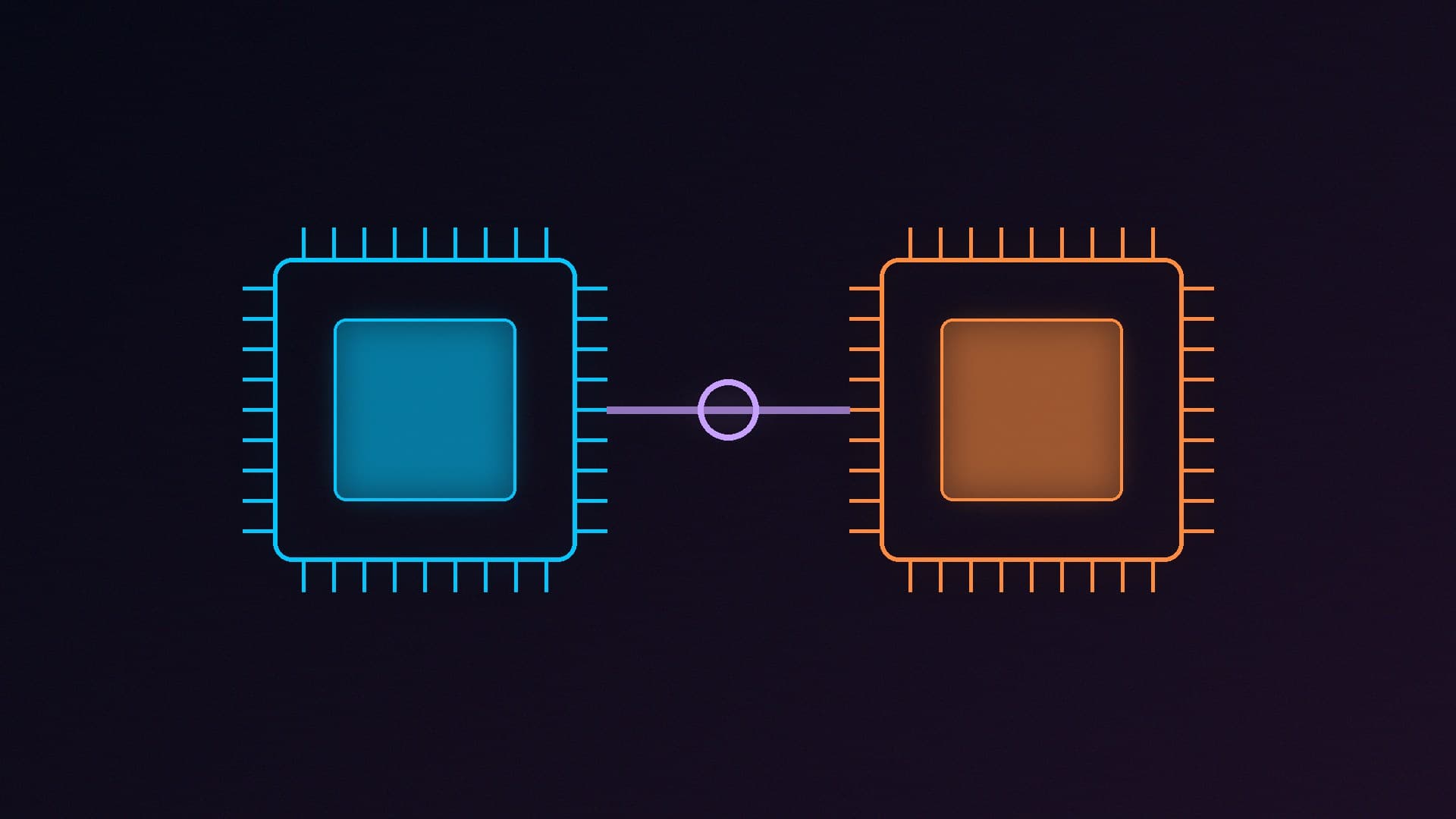
TechPowerUp, VideoCardz and other outlets reported that AMD's Technical Information Portal listed the Zen 6 desktop family, known as Olympic Ridge, as compatible with AM5. A client family referred to as Medusa1 has been listed for AM5 as well as AMD's FP10 mobile platform. Those reports are consistent with the 2029 promise, but they do not confirm retail model names, core counts, clock speeds, power limits, prices or a release date.
Until AMD announces the products, treat those details as unconfirmed. A launch in 2027 would fit the usual cadence, but that is an inference, not something AMD has promised.
There is a second caveat, and it matters if you already own a board: a shared socket is not the same as a guaranteed BIOS. Motherboard makers still have to ship a firmware update, and support can depend on the vendor, the BIOS chip and the board's power design. If you are buying a board today with a future upgrade in mind, our AM5 motherboard guide is the place to start, and you should plan on a manufacturer BIOS update when the new chips arrive.
Should you wait?
It depends on what you already have, and what you need the PC to do this winter.
Buy an AM5 system now if you need a PC, your current platform is holding you back, or you're building from scratch. You can use a current chip — a Ryzen 5 9600X was about £160, a Ryzen 7 9800X3D about £350, and a Ryzen 7 9850X3D about £370 on 13 November — and, if AMD keeps its word, drop in a later AM5 processor without replacing the board, memory or cooler. Our CPU buying guide and upgrade guide are written with that path in mind.
Waiting is only attractive if your current PC is fine for the games and work you actually do. Sitting out for an unannounced chip means living with what you have, while still paying today's prices for DDR5 and a graphics card whenever you do buy. Memory and GPU prices are the expensive part of a new build, not the promise of a future CPU.
Don't wait on the basis of leaked core counts or imagined frame rates. Those figures are not official, and a new chip will still need a compatible BIOS, a decent cooler and, in this market, a lot of RAM.
If you're choosing between AMD and Intel rather than between "now" and "later," the socket question is one of the main differences. Intel's current desktop chips use LGA 1851. Reporting, including from Tom's Hardware, describes that socket as reaching the end of the line with the Core Ultra 200S Plus refresh, with the next Intel generation expected to need a new board. Intel has not, at the time of writing, published a consumer desktop launch event that changes that picture. For a side-by-side, see the platform comparison once you have decided you need a new system at all.
Our verdict
AMD's 2029 AM5 promise is real, and independent reporting that Olympic Ridge (Zen 6) is planned for the same socket makes that promise more concrete. It is a good reason to choose AM5 if you are buying a new platform now, because you may be able to upgrade the processor later. It is not a good reason to delay a PC you need today for a chip that has no official date, price or specification. If your current system still does the job, wait; if you are building, buy a sensible current AM5 chip and treat Zen 6 as a possible later upgrade, not a plan you can calendar.