The Core Ultra 5 250K Plus is Intel's 2026 refresh of the Core Ultra 5 245K. Both use the LGA 1851 socket, both are unlocked, and both sit in the same mid-range slot, so the question is whether the newer chip's extra cores and faster memory support are worth paying for, or whether a discounted 245K is the smarter buy. This comparison uses Intel's official specification pages only. We haven't listed prices because they change daily.
Specs side by side
Launch | Q1 2026 | Q4 2024 |
Socket | LGA 1851 | LGA 1851 |
Cores | 18 (6 Performance + 12 Efficient) | 14 (6 Performance + 8 Efficient) |
Threads | 18 | 14 |
Max turbo frequency | 5.3GHz | 5.2GHz |
P-core base frequency | 4.2GHz | 4.2GHz |
Cache (Intel Smart Cache) | 30MB | 24MB |
Processor Base Power | 125W | 125W |
Maximum Turbo Power | 159W | 159W |
Official memory support | DDR5 up to 7200 MT/s | DDR5 up to 6400 MT/s |
PCI Express lanes | 24 | 24 |
NPU peak (INT8) | 13 TOPS | 13 TOPS |
Overall peak (INT8) | 30 TOPS | 30 TOPS |
All figures from Intel's specification pages.
What's actually different
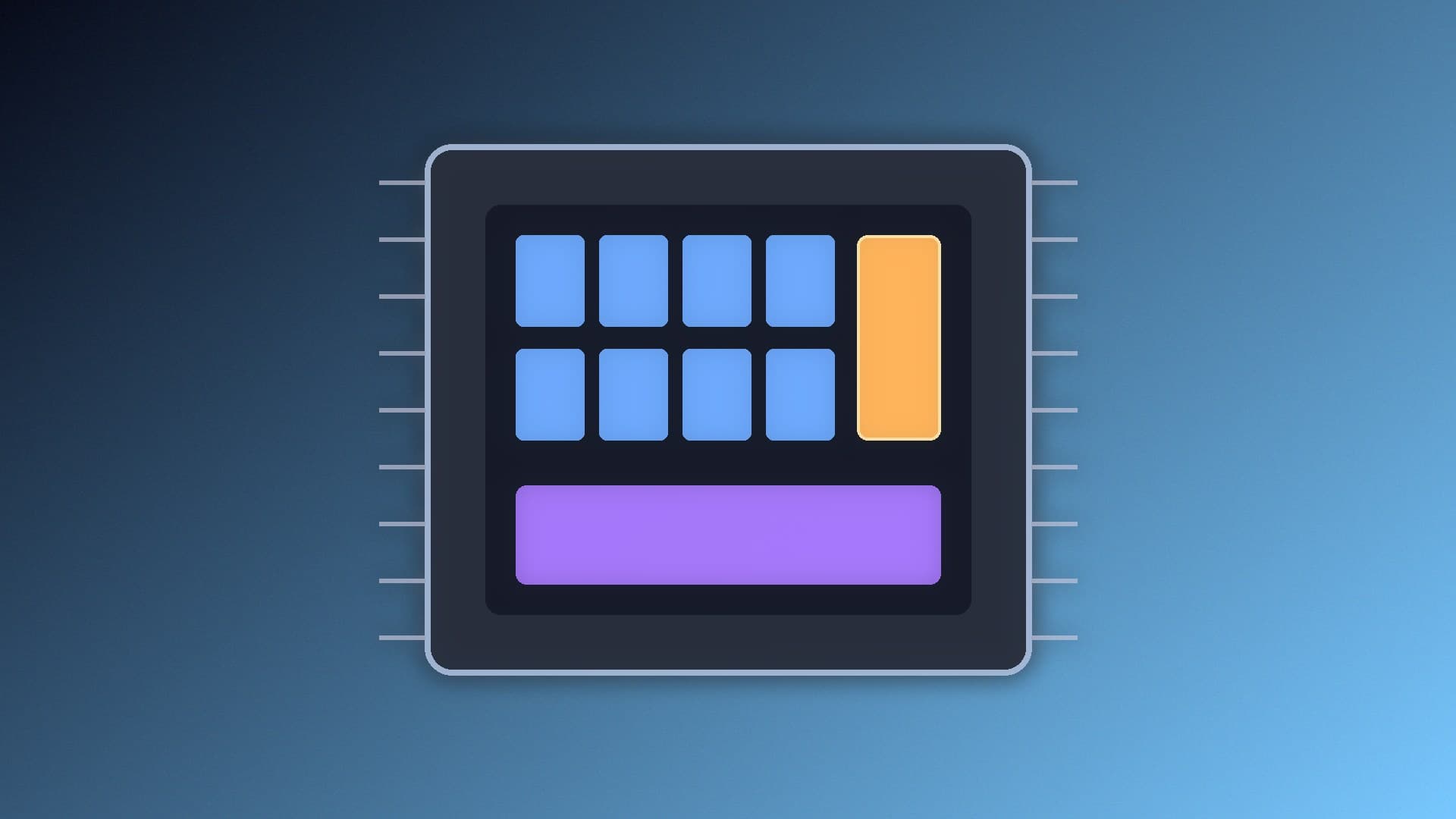
Four more Efficient-cores. The 250K Plus keeps six Performance-cores but adds four Efficient-cores, taking it from 14 to 18 cores. Intel lists the same number of threads as cores for both chips, so each core runs one thread. Extra E-cores mainly help in work that spreads across many threads, such as video encoding, 3D rendering, compiling code or running a game and a stream at the same time. Games tend to lean more on the P-cores, so the gaming difference is likely to be much smaller than the core count suggests; look at independent reviews before paying a big premium for gaming alone.
More cache and a slightly higher boost. Intel lists 30MB of cache on the 250K Plus versus 24MB on the 245K, and a 5.3GHz maximum turbo versus 5.2GHz. The 100MHz boost difference is small on its own.