The details below come from Windhawk's GitHub repository and wiki, its mods repository and the developer's announcement post, checked on 25 November 2026.
Windows 11 locks down a lot of things power users used to change, especially the taskbar and Start menu. Tools like StartAllBack replace whole parts of the shell (see our Open-Shell vs StartAllBack comparison), but Windhawk takes a different approach: it's a free platform for small "mods" that each change one thing about Windows or a specific program. You choose the mods you want, configure them and turn them off again if you change your mind.
What Windhawk is and how it works
Windhawk's developer, Ramen Software, describes it as "the customization marketplace for Windows programs". It lets you install and configure mods (customisation modules) in a couple of clicks, and gives developers a platform to create and share them. Windhawk itself is open source under the GPL-3.0 licence, and its mods are published in a public GitHub repository, so you can read the source code of any official mod before you install it.
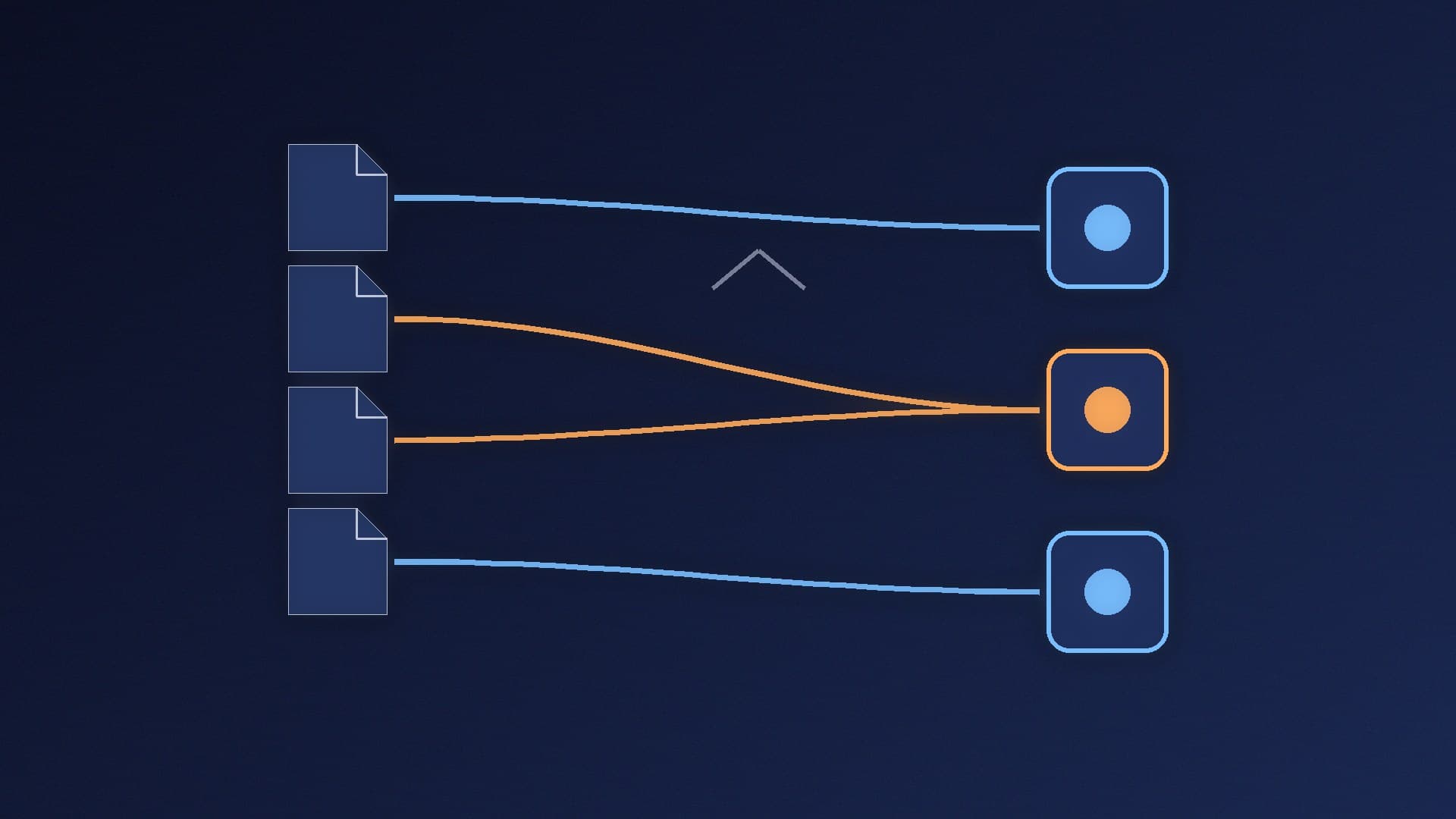
Technically, Windhawk works by injecting its engine into running processes and hooking functions inside them. The Windhawk wiki explains that, by default, the engine is injected into all processes apart from predefined lists of system-critical or known-incompatible ones. It does this so it can catch new processes as they start and load mods early enough to work. Each mod then states which programs it targets; many taskbar mods, for example, target only explorer.exe.
That approach is powerful, but it's also why you should go in with your eyes open. Code injection is exactly the kind of behaviour some antivirus and anti-cheat software watches for, so read the troubleshooting section below before you install lots of mods on a gaming PC.
Step 1: Install Windhawk
Download Windhawk from its official website, windhawk.net. The GitHub repository links to it and notes that you can also extract a portable version with the official installer. At the time of writing, the latest release on GitHub was version 1.7.3. Before you start customising, create a restore point using our System Restore guide, so you have an easy way back if something goes wrong.
Step 2: Browse and install a mod
Open Windhawk and browse the mods catalogue (also viewable online at windhawk.net/mods). Each mod has a description that lists what it does and which Windows versions it supports. Check that section first, because many mods only work on Windows 11, or only on 64-bit systems.
Two popular examples from the official mods repository show the range:
Windows 11 Taskbar Styler lets you restyle the taskbar using themes contributed by others, or create your own. Built-in themes include TranslucentTaskbar, DockLike, SimplyTransparent and Squircle. Its author also makes companion Start Menu Styler and Notification Center Styler mods.
Taskbar Clock Customization lets you change the date and time format, and add extras to the taskbar clock such as a news feed, weather, network upload and download speed, CPU, GPU and RAM usage, battery level and media player info. It supports Windows 10 64-bit and Windows 11 only.
Click Install to add the mod. Windhawk is built around installing and configuring mods in a couple of clicks, so after installing you can adjust a mod's options, and you can disable it at any time if it causes problems.
A sensible approach: install one mod at a time and use the PC normally for a day before adding the next. If something breaks, you'll know which mod caused it.
Step 3: Keep Windows updates in mind
Many Windhawk mods change parts of Windows that Microsoft updates regularly. The troubleshooting wiki notes that some mods rely on Microsoft's debug symbols, which may not be published straight away after a Windows update (usually it takes no more than a day or two), and occasionally aren't published at all for a specific build. So if a mod stops working right after Patch Tuesday, give it a day or two and make sure both Windhawk and the mod are up to date before reporting a problem.
Troubleshooting: when a mod or program misbehaves
The official Troubleshooting page covers the common cases:
Antivirus conflicts. In many cases, Windhawk problems are caused by antivirus incompatibility: Windhawk being blocked, other programs being blocked because of its code injection, or Windhawk being unable to inject into processes. The wiki suggests temporarily turning off the antivirus to confirm, then finding a way to make the two work together, such as an exclusion.
A mod doesn't work. Possible causes include an unsupported Windows version, an outdated copy of Windhawk, missing debug symbols, a firewall blocking the symbol download, or a bug. To collect logs: disable the mod, open its Advanced tab, set Debug logging to Detailed debug logs, click Show log output, enable the mod and copy the log. Set logging back to None afterwards. An HTTP_STATUS_NOT_FOUND error means symbols aren't available yet; ERROR_INTERNET_CANNOT_CONNECT means they can't be downloaded.
A specific program is incompatible. Add it to the exclusion list under Settings > Advanced settings > More advanced settings > Process exclusion list, then click Save and restart Windhawk. The wiki notes that excluded processes are entirely unaffected by Windhawk.
For gamers: if a game or its anti-cheat refuses to start, or a launcher crashes after you install Windhawk, adding the game and launcher executables to the process exclusion list is the first thing to try. If problems persist, exit Windhawk while you play. Our guide to fixing games that crash covers other common causes.
Windhawk or PowerToys?
They do different jobs. Microsoft PowerToys adds separate utilities on top of Windows, such as a launcher, FancyZones window layouts and Keyboard Manager, without changing how Windows' own programs work. Windhawk changes the behaviour and look of existing programs, including Explorer and the taskbar. Many people run both.
Our verdict
Windhawk is the most flexible free way to change things Windows 11 won't let you change, from taskbar styling to a clock that shows CPU and GPU load. Its open-source mods and the ability to disable any mod make experimenting low-risk, but it does work by injecting code into processes, so add mods one at a time, keep a restore point, and use the process exclusion list if a game, anti-cheat or antivirus objects.