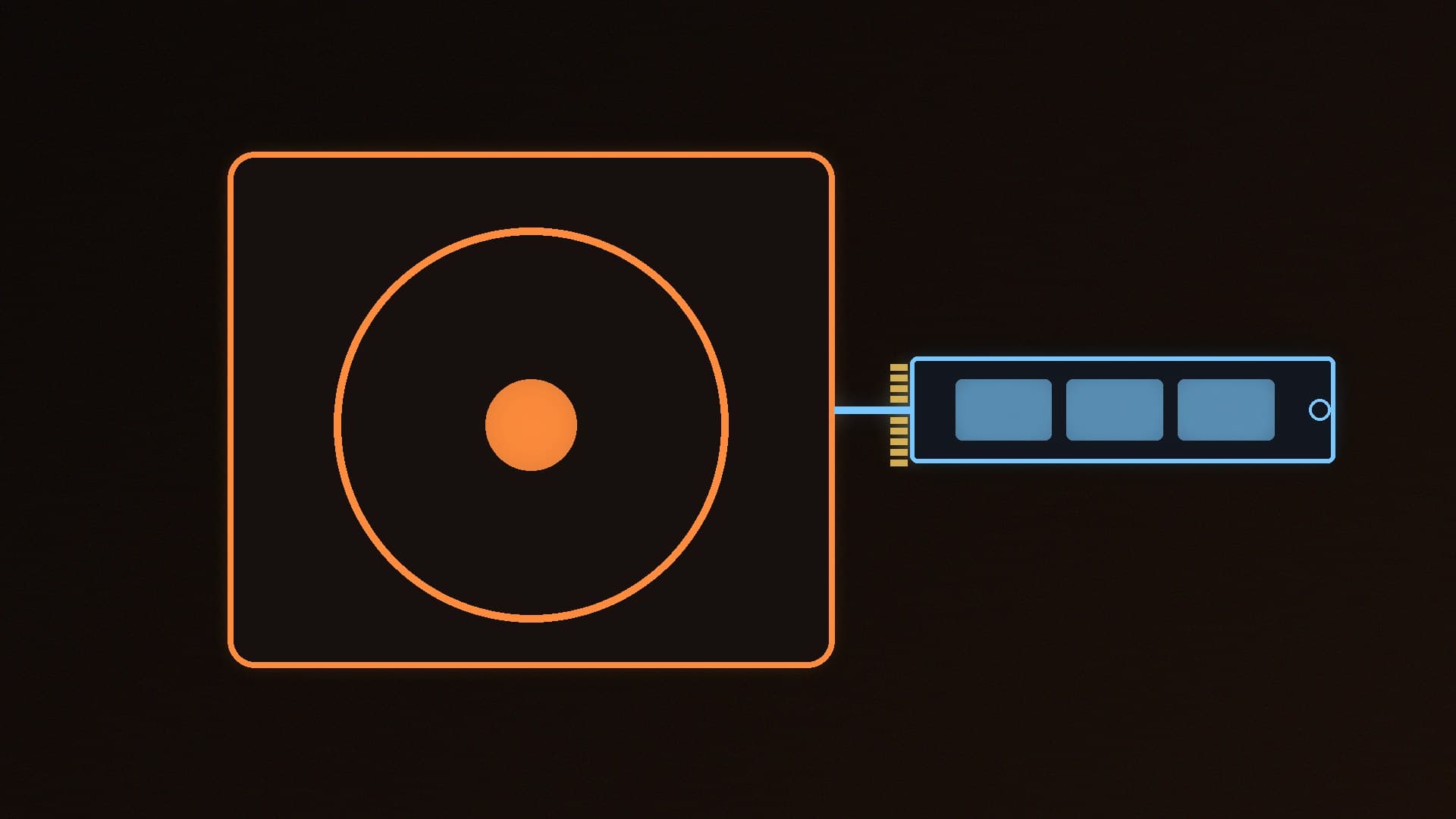
Seagate has revived an old idea with a twist. The FireCuda Forge, announced on 10 November 2026, is an external desktop hard drive with an empty M.2 slot inside. You fit your own NVMe SSD, and Seagate's new Alkemi software decides which files live on the fast SSD and which stay on the big hard drive. To Windows or macOS it appears as one drive.
Forge PC has not tested the FireCuda Forge. Everything below comes from Seagate's press release, its official data sheet and its qualified-SSD support page, read on 14 November 2026. We have not measured its speed or how well the caching works.
What Seagate has announced
Capacities: 8TB (model STNS8000400) and 20TB (STNS20000400) of hard drive storage.
Connection: USB4, with Seagate quoting up to 2,500MB/s read and 2,000MB/s write. Those figures depend on the SSD tier and a compatible USB4 port on your PC.
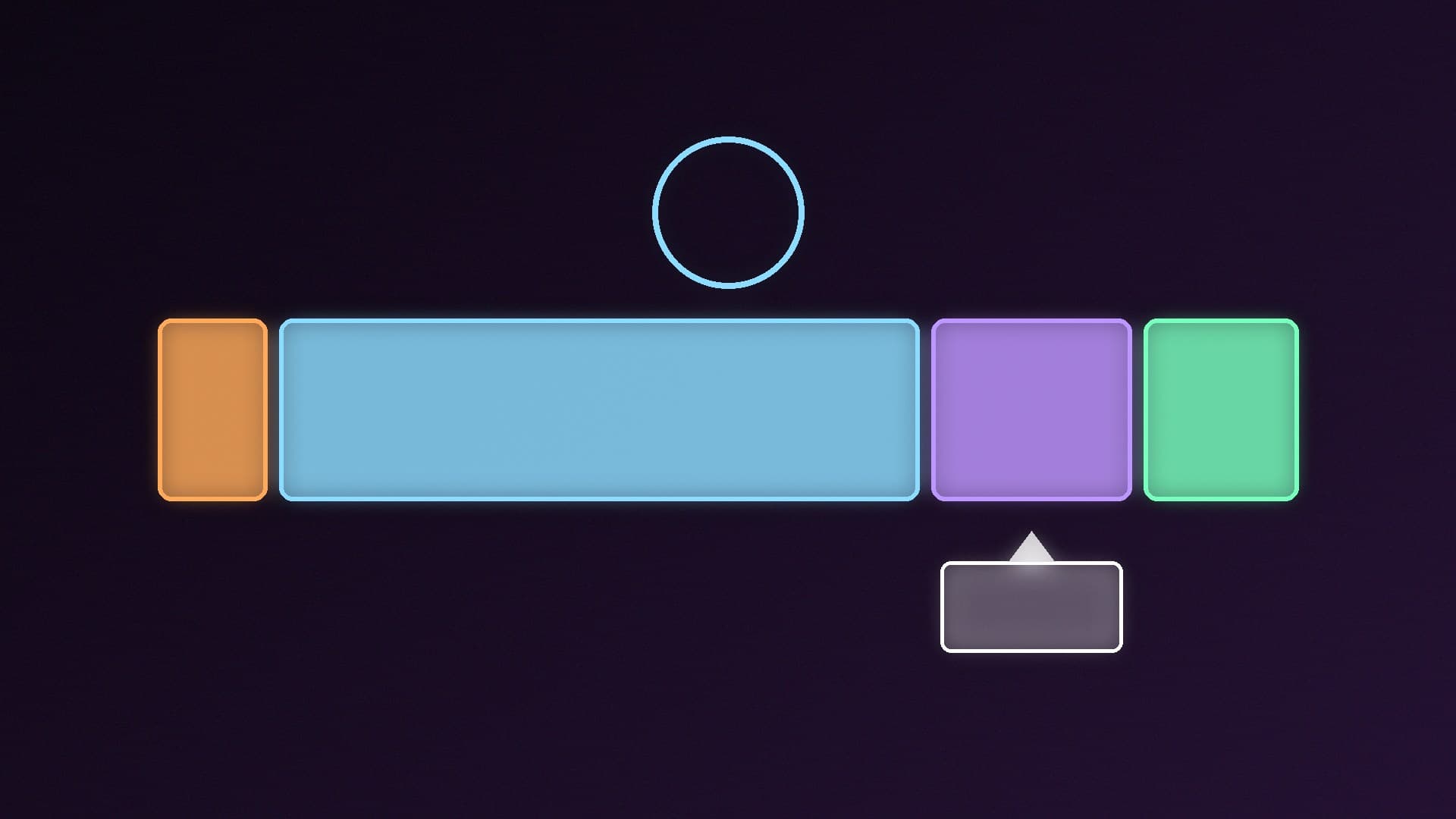
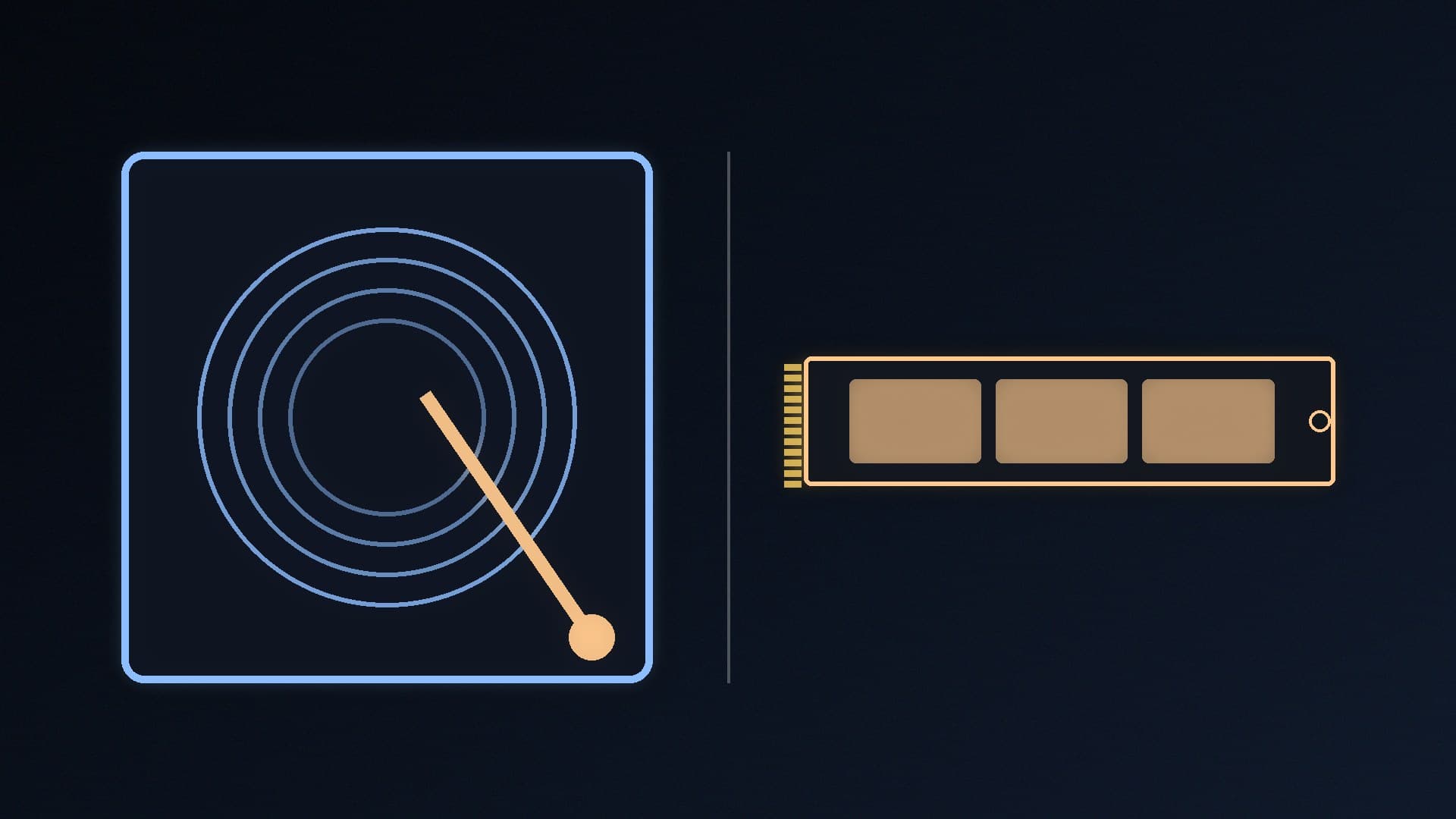
Caching: Alkemi "learns" which files you use most and keeps them on the SSD, while less-used data stays on the hard drive. Seagate says it manages data placement automatically, so you do not move files between tiers yourself.
Upgradeable: Seagate says the hard drive inside is upgradeable, and the SSD is your choice.
Platforms: Windows 11 and macOS 26 or later.
In the box: the base unit, multi-region power adapters, an M.2 screw, two thermal pads, a hex screwdriver and a USB-C to USB-C cable. No SSD is included.
Warranty: two years in Europe (EMEA), according to the data sheet.
Price: Seagate's US launch prices start at $699 for 8TB and $899 for 20TB. The press release did not give UK pricing and says availability may vary by market.
The SSD rules matter
The drive will not operate without an SSD. Seagate's support page sets out what it needs:
An M.2 2280 NVMe SSD, PCIe Gen3 or newer.
At least 2,400MB/s read and 2,000MB/s write, with a DRAM cache recommended.
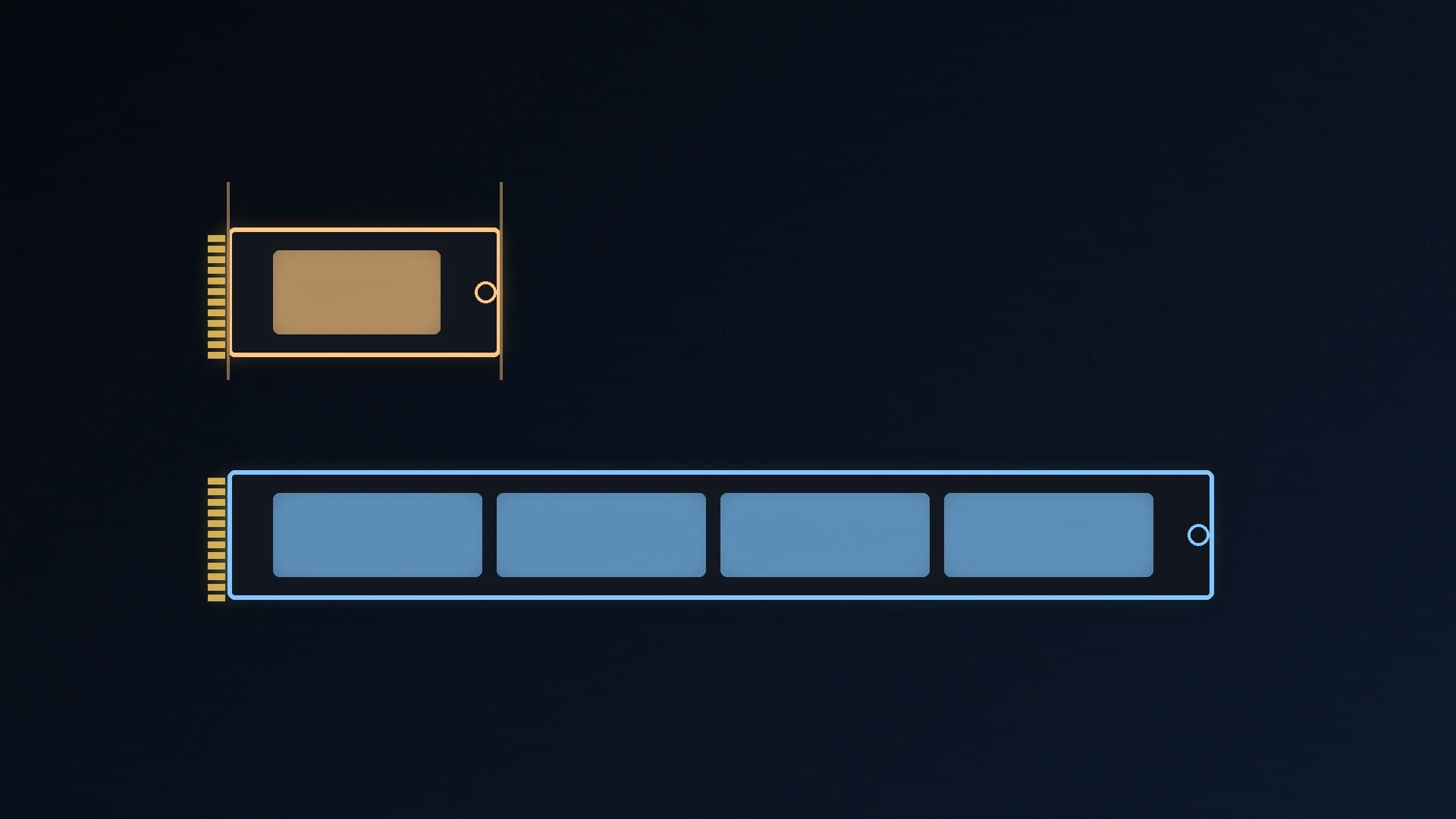
1TB is the sweet spot. The Forge recognises only up to 1TB of SSD capacity, so a 2TB or 4TB drive will not add cache space or speed. A smaller drive works, but Seagate says performance may be reduced.
PCIe 4.0 or 5.0 does not help. Seagate says generations beyond PCIe 3.0 are supported but do not improve performance.
No heatsink. Use a bare drive. The included thermal pads handle cooling.
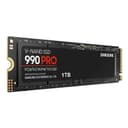
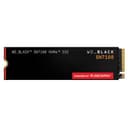
Seagate's qualified list names four 1TB drives: the Samsung 990 Pro, the WD_BLACK SN850X / SanDisk Optimus GX Pro 850X (SN850X 1TB), the WD_BLACK SN7100 / SanDisk Optimus GX 7100 (SN7100 1TB) and its own FireCuda 530R 1TB. Other drives that meet the specification are expected to work, but Seagate recommends one from the list. It also warns that peeling the label off an SSD is unnecessary and may void that drive's warranty.
Who is it for?
The pitch is a big game library or video archive that feels faster than a plain USB hard drive because the files you touch most sit on flash. That could suit someone who keeps a large Steam library on external storage, or a creator who works on recent projects while older footage stays on spinning disks.
There are caveats worth weighing before you buy:
Total cost. You pay for the Forge and a separate 1TB NVMe drive. Compare that with a large internal NVMe SSD, or with a portable SSD plus a cheaper hard drive for backups. Our best external SSD guide and NVMe vs SATA explainer cover the simpler alternatives.
Cache misses. Files that are not in the SSD cache will come from the hard drive. Seagate has not published how quickly the cache adapts, and we have not tested it.
USB4 ports. The quoted speeds need a USB4-capable system.
It is not a backup. One box is still one copy of your data. Keep a separate backup, as our Windows 11 backup guide explains.
Our verdict
The FireCuda Forge is an interesting return of the hybrid drive: an 8TB or 20TB USB4 hard drive with a user-supplied 1TB NVMe SSD as an automatic cache. If you are tempted, buy a bare 1TB drive from Seagate's qualified list and do not pay extra for PCIe 5.0, more capacity or a heatsink, because Seagate says none of them help. Wait for UK pricing and independent testing of the caching before you treat it as a replacement for internal NVMe storage. Forge PC has not tested the drive; this report uses Seagate's official announcement, data sheet and support page.