Skip to content

NewsSSD

Phison Shows an SSD With a Built-In NPU and 64GB of Memory at SC26: What It Means for PC Builders

At SC26 Phison detailed two enterprise SSD designs: one with a built-in NPU and 64GB of 130GB/s memory that can run PyTorch, vLLM, OpenVINO and llama.cpp on the drive, and a Mixed Media design combining pSLC cache and QLC capacity behind one controller. Neither has a name, controller or sample date yet.

By , Editorial team

2 min read

Phison Shows an SSD With a Built-In NPU and 64GB of Memory at SC26: What It Means for PC Builders

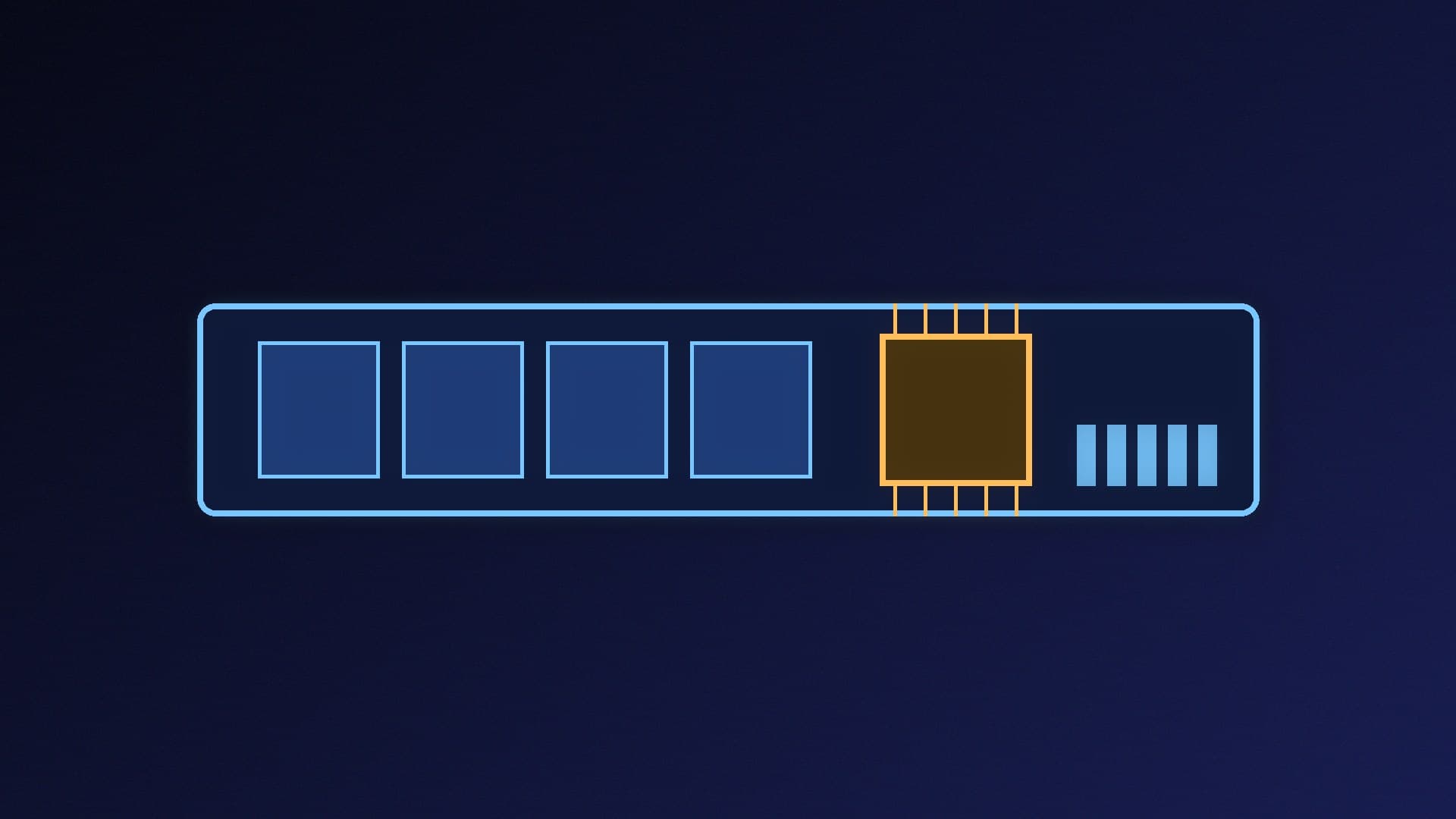
Phison, which makes SSD controllers, has detailed two new enterprise SSD designs at the Supercomputing 2026 (SC26) conference. One puts an NPU and 64GB of fast memory inside the drive so AI code can run where the data lives; the other merges a fast pSLC cache with QLC capacity behind one controller. This report is based on Tom's Hardware's coverage published on 20 November 2026; Forge PC hasn't seen either design in person, and neither is a product you can buy.

The computational-storage SSD

According to Tom's Hardware, the first design has:

  • a built-in NPU

  • 64GB of memory with 130GB/s of bandwidth

  • support for running PyTorch, vLLM, OpenVINO and llama.cpp directly on the drive

The idea is that a server can offload work to the SSD, which runs AI code on the data it already holds and sends back results rather than whole datasets. Phison's headline claim is up to 100x less data transfer.

The only performance figure Phison gave is 36,800 DMIPS, a Dhrystone figure. Tom's Hardware points out that Dhrystone is an old CPU integer benchmark and that NPUs are usually rated in TOPS, which Phison didn't provide, so the number likely describes the CPU cores alongside the NPU rather than its AI capability. In other words, there's no meaningful AI performance figure yet.

The Mixed Media pSLC and QLC design

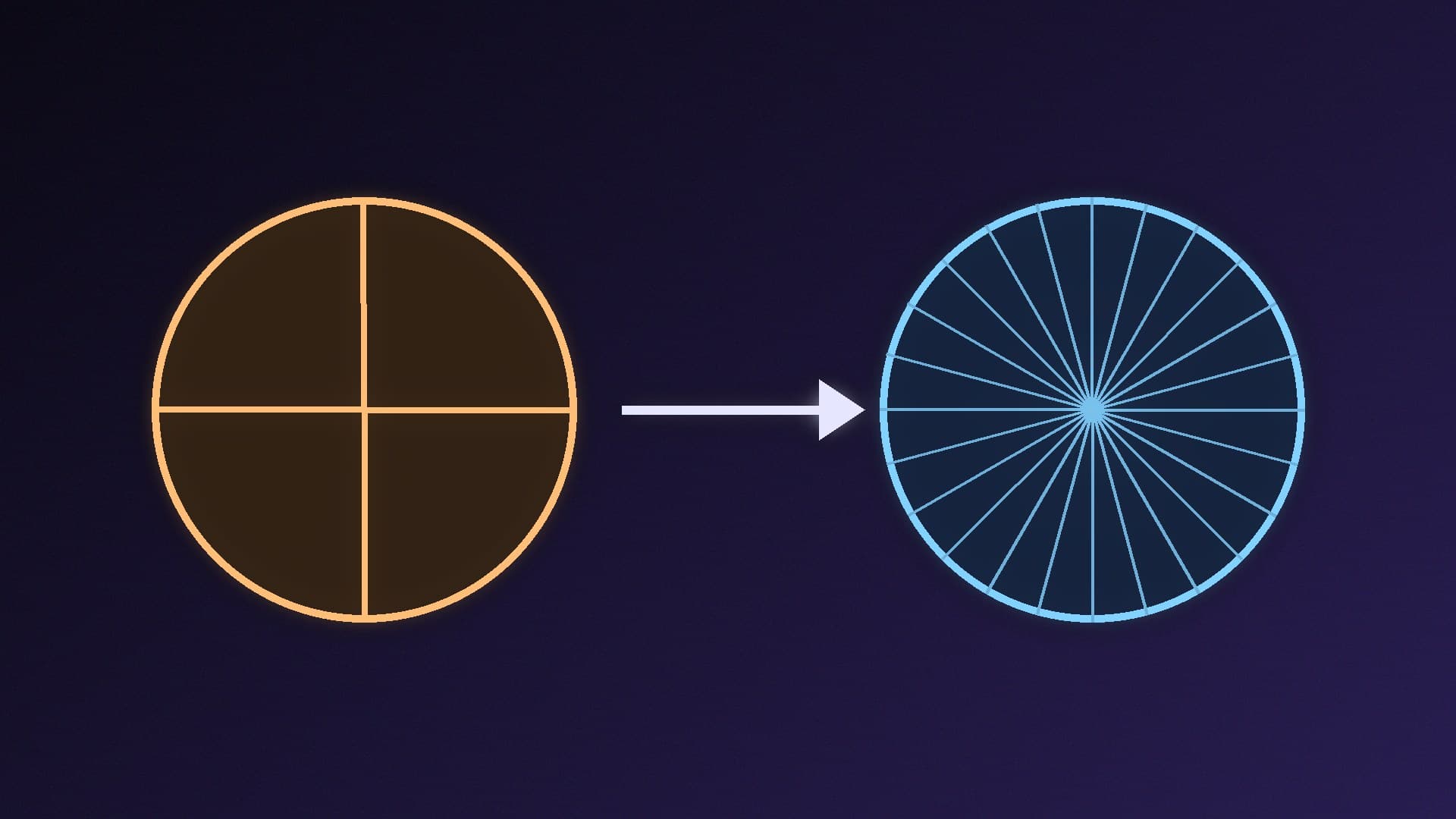
The second design puts a pSLC cache and QLC capacity behind one controller, so the cache sits inside each drive. Tom's Hardware notes this could reduce system complexity, because every drive bay contributes usable capacity and none has to be given over to dedicated cache drives. It builds on standard NVMe features, and Tom's Hardware considers it the nearer of the two to becoming a product. What's still unknown is the pSLC-to-QLC ratio and how configurable it will be.

If QLC and SLC caching are new to you, our TLC vs QLC SSD explainer covers how consumer drives use the same idea.

What hasn't been announced

Tom's Hardware reports that neither design has a product name, a named controller or a sample date, and Phison itself says many of the products and features mentioned are still in development. Tom's Hardware describes both as enterprise designs, aimed at servers.

Why PC builders should care

Nothing here changes what you should buy this Black Friday. It's worth watching for two reasons:

Tom's Hardware says CES and Computex in 2027 are the next events where more details may appear. Our SC26 round-up covers the other AI hardware shown at the show.

Our verdict

Phison's NPU-equipped SSD is an interesting server idea, but it has no name, no date and no meaningful AI performance figure yet. The Mixed Media pSLC and QLC design looks closer to market. Neither affects desktop SSD buying today.
The bottom line

Phison's NPU-equipped SSD is an interesting server idea, but it has no name, no date and no meaningful AI performance figure yet. The Mixed Media pSLC and QLC design looks closer to market. Neither affects desktop SSD buying today.
Sources

  1. 01Tom's Hardware, Phison details SSD with a built-in NPU and 64GB of 130 GB/s memory (20 November 2026)

About the author

Forge PC Staff

Editorial team

The shared byline for articles researched, written and edited by the Forge PC editorial team. How we source, check and correct our work is set out in our editorial policy.

More from Forge PC Staff

Read next

MBR vs GPT: Which Partition Style Should Your SSD Use in Windows 11?

Versus

MBR vs GPT: Which Partition Style Should Your SSD Use in Windows 11?

GPT is the modern partition style: Windows allows up to 128 partitions, each with a unique GUID, and 64-bit Windows boots from GPT on UEFI systems. MBR supports four primary partition entries and suits only very old hardware. Microsoft's MBR2GPT converts a system disk without deleting data.

Forge PC Staff2 min

Black Friday 2026: Your Refund Rights if a PC Part Turns Out Faulty (UK)

News

Black Friday 2026: Your Refund Rights if a PC Part Turns Out Faulty (UK)

Black Friday is on 27 November 2026. Under the Consumer Rights Act 2015 you have 30 days from ownership and delivery to reject a faulty PC part for a full refund, then a right to repair or replacement, with faults in the first six months presumed present from the start. Test new parts promptly and complain in writing.

Forge PC Staff3 min

How to Move Ollama Models to Another Drive on Windows (OLLAMA_MODELS)

How-To

How to Move Ollama Models to Another Drive on Windows (OLLAMA_MODELS)

Ollama stores models in C:\Users\<name>\.ollama\models by default. To use another drive, quit Ollama, set a user environment variable called OLLAMA_MODELS to a folder on that drive, then restart Ollama and check with ollama ls. Re-pull models or copy the old folder across, keeping the original until it works.

Forge PC Staff2 min