For two years, Microsoft's pitch for "AI PCs" has centred on one number: an NPU rated at 40 TOPS or more. A slide that appears to come from Microsoft, posted on X by the leaker HXL and reported by TechSpot on 4 November 2026, tells a different story. It sorts Windows PCs into AI tiers by how much memory they have, with processor names listed underneath almost as footnotes.
Microsoft has not confirmed the slide, and Forge PC has not seen the original document beyond the published reports. Treat everything below as a leak, not an announcement.
What the slide shows
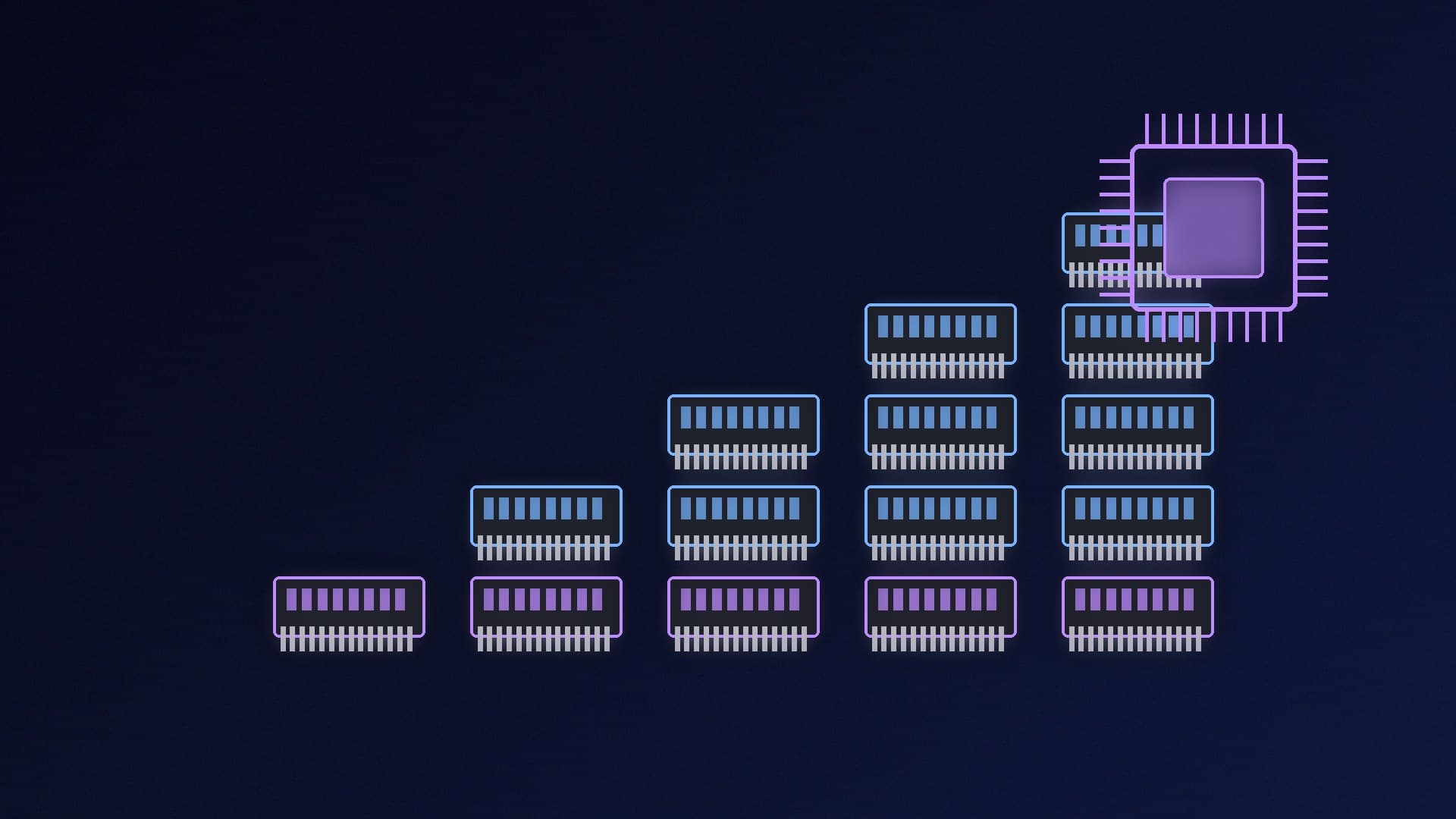
According to TechSpot's description, the slide is titled "Windows is the home for hybrid intelligence" and lines PCs up on a memory scale running from 8GB to beyond 128GB:
Tier (as reported) | Memory | What it is for, per the slide | Chips named |
|---|
Windows PC | 8GB | Local context and basic actions | Any |
Copilot+ (three bands) | 16GB / 32GB / 64GB | Quick local questions, delegated tasks, long-running jobs | Core Ultra Series 3 and 4, Ryzen AI 400 and 500 in the lower bands; Ryzen AI Max+ 400, NVIDIA RTX Spark and an unnamed "Core Ultra Next" at 64GB |
Builder PC | 128GB | Building and serving models locally | Ryzen AI Max+ 400, RTX Spark, "Core Ultra Next" |
Supercomputer | Beyond 128GB | Desk-side machines running frontier models | Not detailed in the report |
A "CY26-27" label sits beside the chip list. TechSpot links that to other leaks that put Intel's Core Ultra Series 4 ("Nova Lake") and AMD's Ryzen AI 500 ("Medusa Point") in 2027. Neither chip has been formally announced.
The Copilot+ label is fading anyway
The slide still uses "Copilot+" for its biggest tier, but Microsoft has been stepping back from that brand. Ars Technica reported on 25 September that Microsoft's new Surface PCs "are not called Copilot+ PCs" even though, in the words of Surface corporate vice president Brett Ostrum, they "meet all the requirements of our previous bar". Microsoft's official requirement for a Copilot+ PC is still an NPU capable of at least 40 TOPS, 16GB of RAM, a 256GB SSD and Windows 11 version 24H2 or newer.
Why this matters for desktop builders
None of today's socketed desktop processors meets the Copilot+ NPU requirement, as our NPU explainer sets out, so a self-built gaming PC is unlikely to sit in Microsoft's Copilot+ tiers whatever the slide says. What the slide does reinforce is a point we have made in our local AI guides: memory capacity decides which models you can run.
16GB is the floor Microsoft already sets for Copilot+ PCs, and the slide puts 8GB machines in a basic tier "whatever chip it runs", as TechSpot puts it.
32GB to 64GB is where the slide places "delegated" and "long-running" AI tasks. That lines up with our advice in how much RAM you need for local AI.
64GB and 128GB tiers name unified-memory systems such as Ryzen AI Max+ and NVIDIA's RTX Spark platform, which our RTX Spark news piece covers.
On a desktop with a graphics card, the memory that matters most for local AI is usually the card's video memory, not system RAM, which is why our GPU guide for local AI leads with VRAM.
The awkward part: memory is expensive
A strategy that ranks PCs by memory arrives in the most expensive memory market for years. ramprices.uk's UK index put the median DDR5 kit at £18.47 per GB on 13 November 2026, about three times the figure a year earlier, as our DDR5 price report explains. At that median, the extra 16GB needed to go from 16GB to 32GB of DDR5 works out at roughly £300 (16 x £18.47, an approximate figure; individual kits vary widely). TechSpot's own conclusion is to "check the RAM before the chip", and that is sensible advice for anyone buying a laptop or pre-built PC with AI in mind.
Our verdict
The leaked slide is unconfirmed, and its chip names point to 2027 products that have not been announced. But its message is consistent with what we already know: for on-device AI, how much memory a PC has matters more than a TOPS figure on the box. If you are buying a laptop or pre-built PC for AI features, treat 16GB as the minimum and 32GB as the sensible target; if you are building a desktop for local AI, prioritise graphics card VRAM. We have not seen the original slide; this report is based on TechSpot's coverage, Ars Technica's report on the Copilot+ brand, Microsoft's published Copilot+ requirements and ramprices.uk's DDR5 index.