Edge0 released Edge0-145B and a smaller Edge0-120B on 12 November 2026, with open weights and its own inference software. The headline claim is that a 145-billion-parameter model, a size usually associated with servers, can run on a single consumer GPU or an Apple Silicon laptop.
The memory, speed and benchmark figures below are Edge0's own, from its launch blog and its GitHub model documentation, read on 14 November 2026. We have not seen independent verification of them yet, so treat every number here as a vendor claim.
How a 145B model fits on a gaming GPU
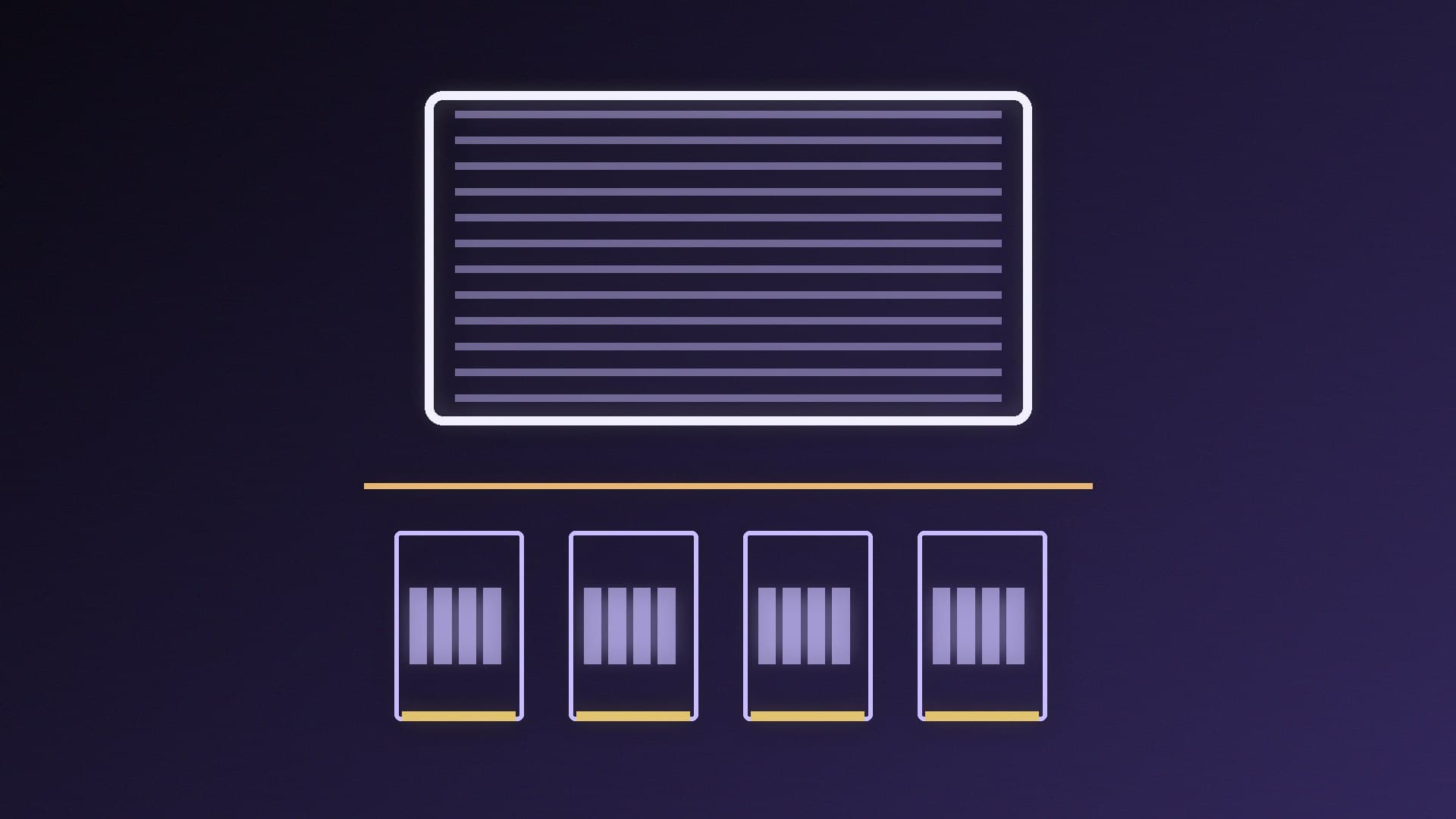
Edge0-145B is a mixture-of-experts model. It has 145B parameters in total, but Edge0 says only about 10.12B are active for each token. The rest are "experts" that are only needed some of the time. Edge0's documentation says the models are derived from Qwen3.8-Flash-Next and run on edge0-strata, the company's fork of the Strata inference engine, rather than on a mainstream app such as Ollama or LM Studio.
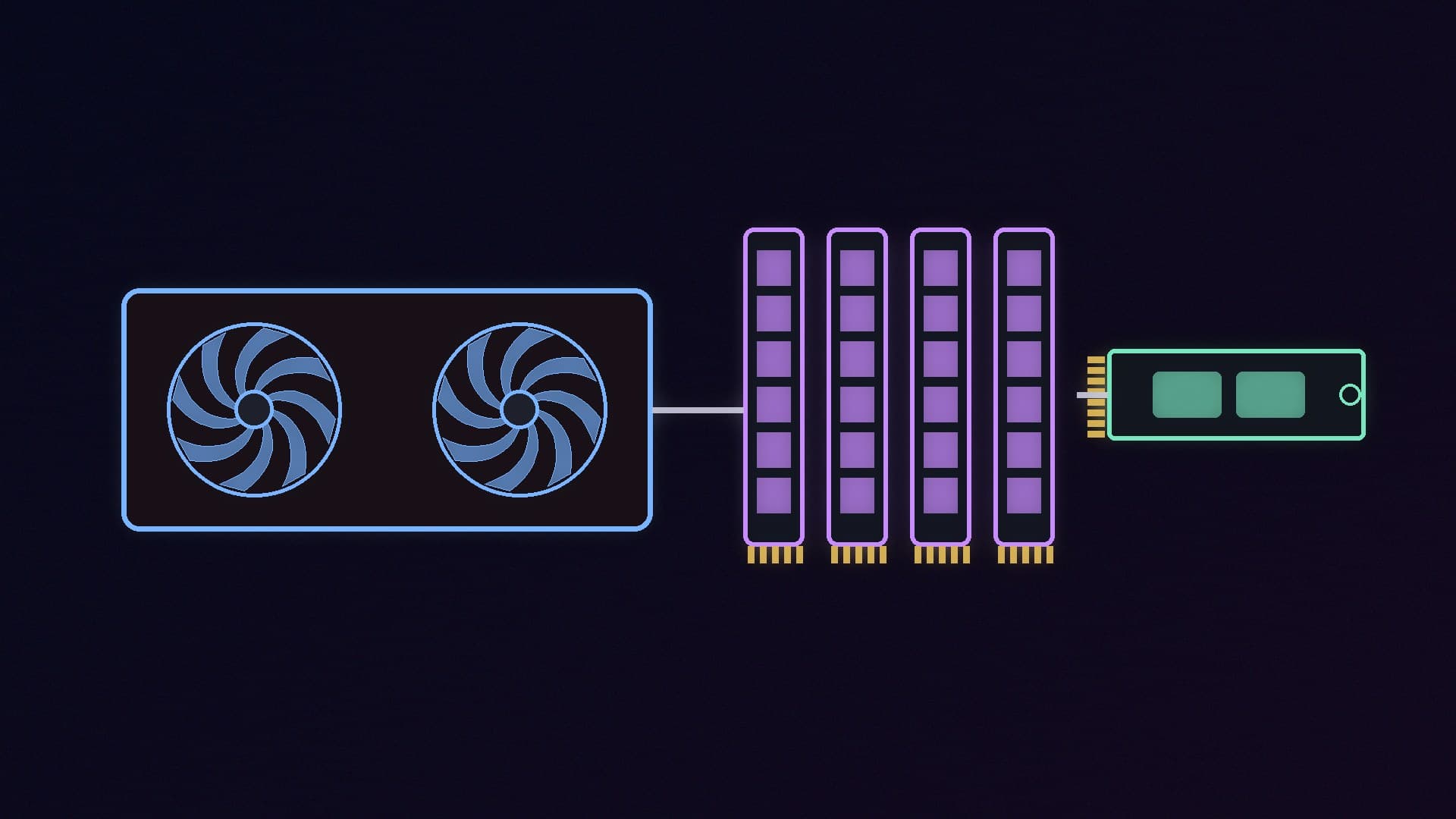
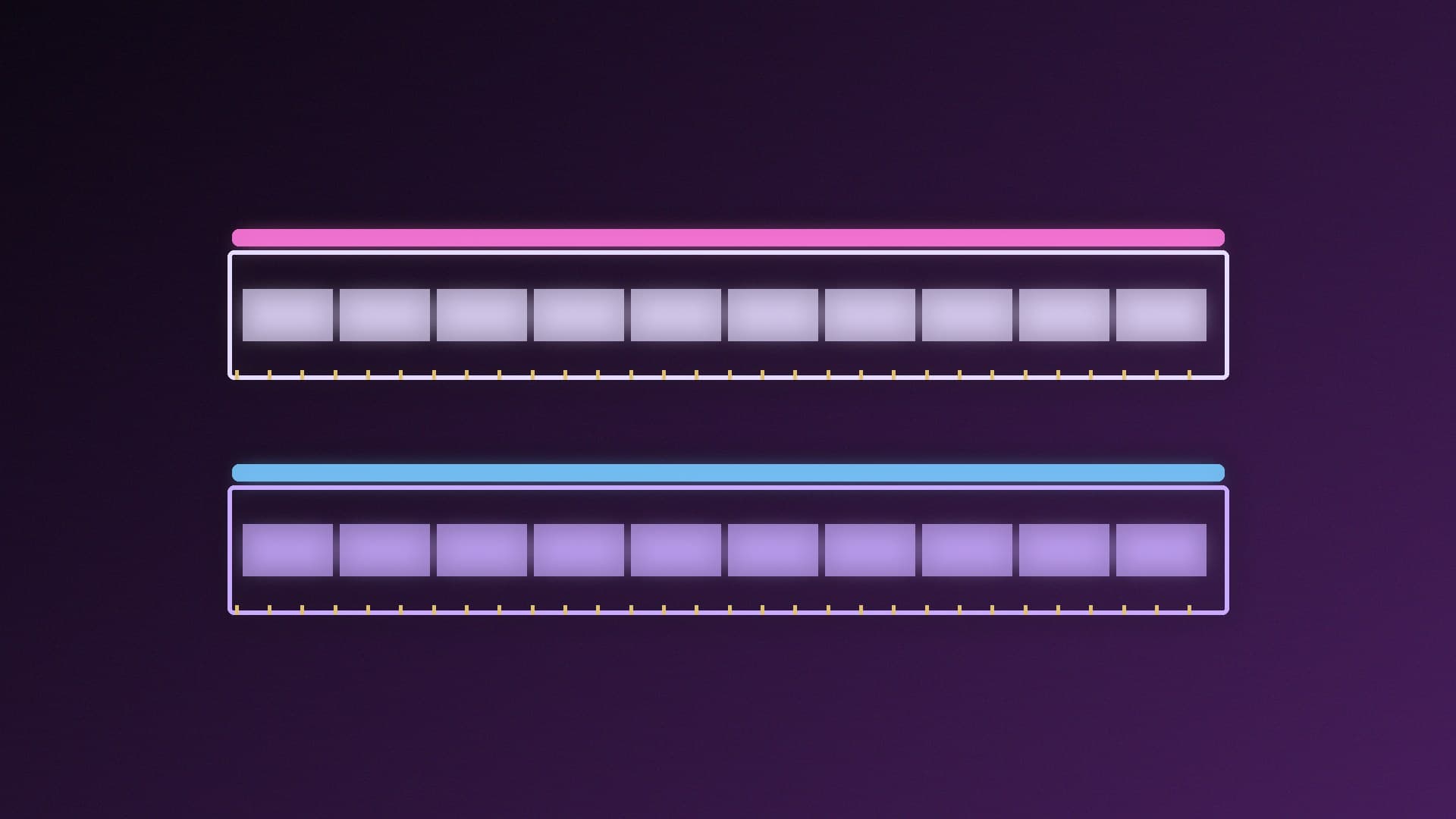
The trick is spreading the model across three kinds of memory:
GPU memory holds the most frequently used "hot" experts.
System RAM holds a larger expert library, which the blog puts at about 40GB.
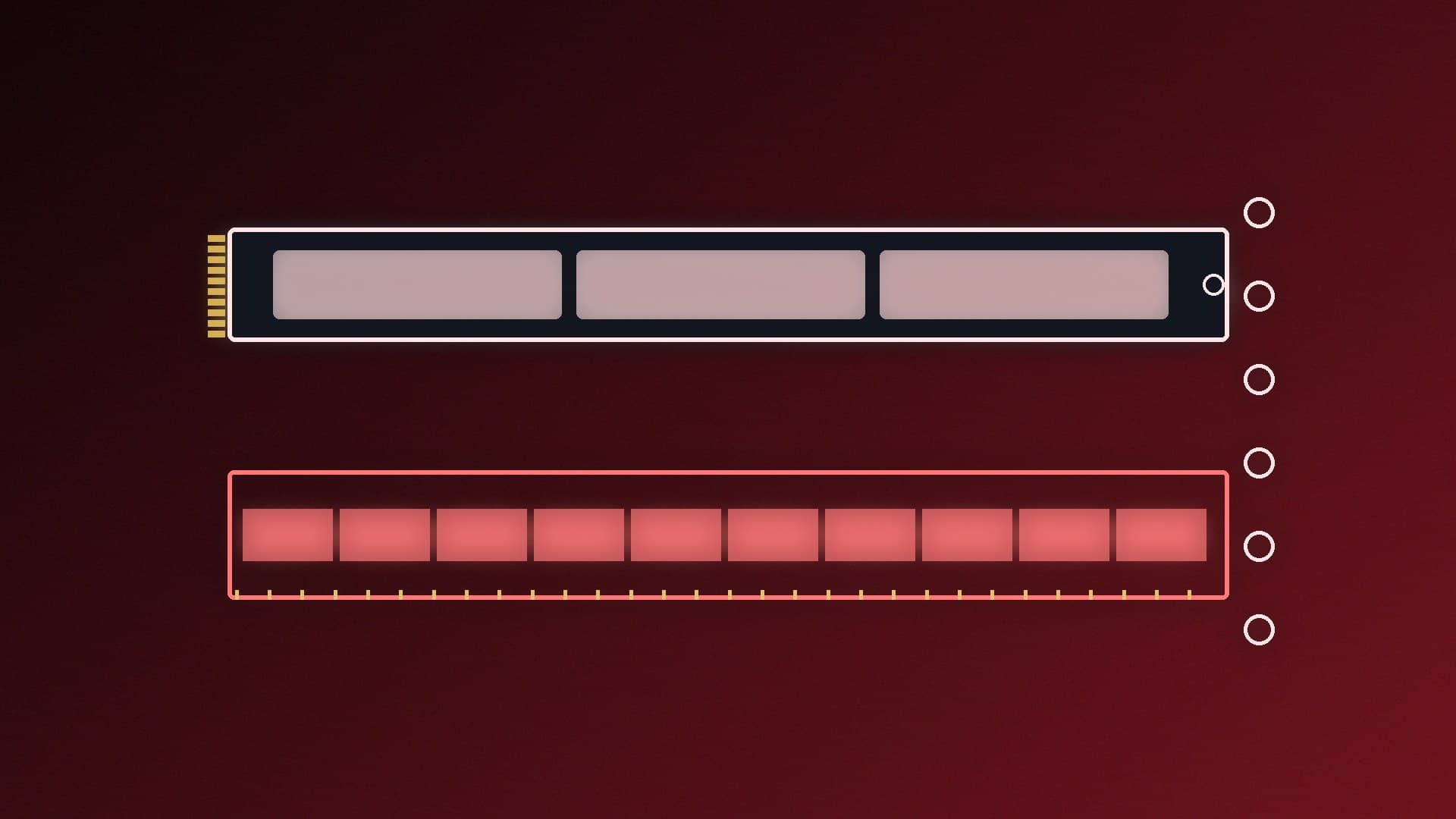
The SSD holds a large vocabulary table (about 48GB, according to the blog), which is read on demand.
Edge0's GitHub page gives a concrete example on a 24GB card. The Q3_K build has 40.81 GiB of weights, held as about 23.14 GiB in VRAM plus 31.28 GiB in system RAM. The NVFP4 build (47.79 GiB) uses about 23.25 GiB of VRAM plus 38.27 GiB of RAM. The blog separately quotes a 29GB peak memory figure for its laptop comparison.
These are the company's numbers, not ours:
Edge0's test machine (Q3_K build) | Chat decode, tokens/s (Edge0's figure) |
|---|
RTX 5090 D 24GB | 99.7 |
RTX 4090 24GB | 69.9 |
The same 5090 D limited to 16GiB VRAM and 20GiB RAM | 36.8 |
Apple M2 Ultra | 60.9 |
Edge0 also publishes benchmark scores, including 86.5 on Terminal-Bench 2.1 and 64.6 on DeepSWE 1.1, and says these are competitive with some cloud models. Its blog says those comparisons come from its own internal evaluations. We are reporting them, not endorsing them.
What PC would you need?
Reading Edge0's own figures, a sensible Windows target looks like this:
GPU: an NVIDIA card with 24GB of VRAM, such as the RTX 4090 or RTX 5090 class it lists. Edge0 says day-one support covers NVIDIA platforms, including the RTX 4090 and 5090, plus Apple M-series chips. We did not see AMD Radeon in its supported list.
System RAM: 64GB. The Q3_K example uses about 31GB of RAM on top of the GPU, and Windows and your other apps need room too. A 32GB PC would be very tight. Our guide to how much RAM you need for local AI explains why system RAM matters once a model spills out of VRAM.
Storage: a fast NVMe SSD with plenty of free space, because part of the model is streamed from disk.
A 16GB card is not ruled out. Edge0's constrained 16GiB VRAM and 20GiB RAM test still produced output, but at a much lower figure. If you are buying a GPU for local AI, our best GPU for local LLMs guide explains why VRAM is still the first thing to check.
Why caution is sensible
Quantisation matters. The Q3_K build is a heavily compressed version. Our GGUF and quantisation explainer covers what that trade-off means for quality.
Different software. Edge0's speeds depend on its own scheduler, so do not expect the same results by loading another large model in a general-purpose app.
Vendor benchmarks. Wait for independent tests before deciding the model is as capable as Edge0 says. We took the same approach with Ripple-65B Preview in Ollama.
Our verdict
Edge0-145B is a genuinely interesting experiment: a very large open model designed from the start to be split across VRAM, system RAM and an SSD. If Edge0's figures hold up, a 24GB NVIDIA card with 64GB of RAM is the realistic Windows setup, and 32GB of RAM is the bottleneck to fix first. Do not buy hardware for it until independent testing appears.