The Ryzen 7 9800X3D and Ryzen 7 9700X are both eight-core, 16-thread Zen 5 processors for AM5 motherboards, but they're aimed at different buyers. The 9800X3D adds AMD's 3D V-Cache for gaming; the 9700X is a cooler-running, lower-power chip with higher boost clocks. We've compared them using AMD's official specifications, and credited Tom's Hardware for independent testing.
Specs compared
Ryzen 7 9800X3D | Ryzen 7 9700X | |
|---|---|---|
Cores / threads | 8 / 16 | 8 / 16 |
Architecture | Zen 5 | Zen 5 |
Max boost clock | Up to 5.2GHz | Up to 5.5GHz |
Base clock | 4.7GHz | 3.8GHz |
L2 cache | 8MB | 8MB |
L3 cache | 96MB | 32MB |
Default TDP | 120W | 65W |
Cooler in box | No | No |
AMD's cooler recommendation | Liquid cooler | Premium air cooler |
Launch date | 7 November 2024 | 8 August 2024 |
Both have 28 PCIe 5.0 lanes (24 usable), dual-channel DDR5 support up to 256GB, Radeon integrated graphics with two graphics cores, and support for overclocking, Precision Boost Overdrive and Curve Optimizer. Both work with every AM5 chipset AMD lists, from A620 to X870E.
The difference: cache
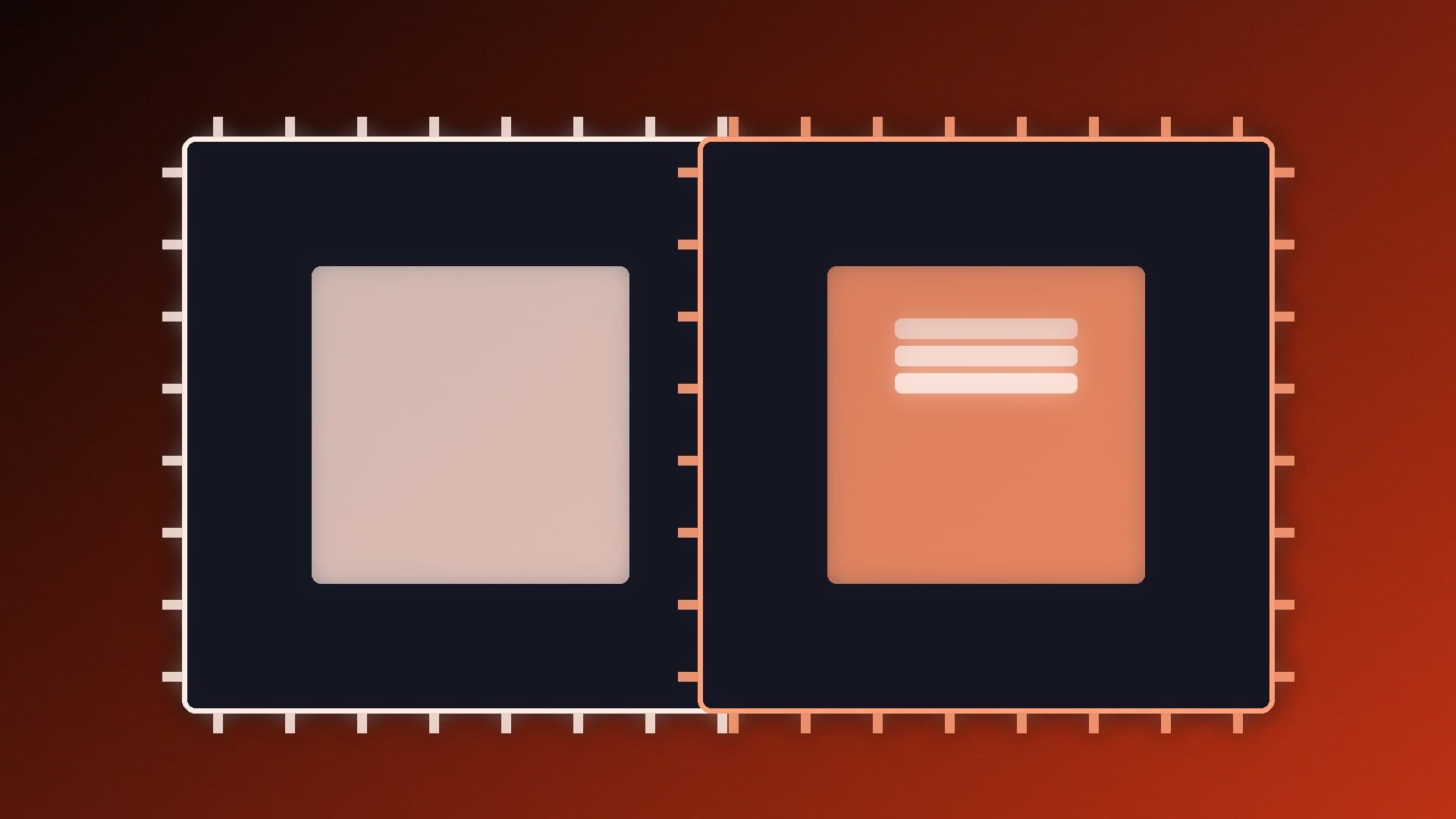
The 9800X3D has three times the L3 cache: 96MB against 32MB. That extra cache is what AMD's gaming-focused X3D chips are built around. Tom's Hardware's review called the 9800X3D the fastest gaming chip on the market by a large margin at the time of testing, and noted that AMD had also improved its productivity performance compared with earlier X3D chips. The same review pointed out that similarly priced chips were faster in productivity work, which is the trade-off you make.
The 9700X has the higher maximum boost clock (5.5GHz against 5.2GHz), but clock speed alone doesn't tell you how the two compare. For exact results in the games and apps you use, check independent reviews.