The steps follow Microsoft's own Windows 11 troubleshooting documentation, read on 26 November 2026, in the order Microsoft recommends.
Bluetooth earbuds or a headset that only plays from the left or right side is a surprisingly common problem on Windows PCs. Microsoft says it can come from system settings, pairing problems or the audio device itself. It's especially common with Bluetooth LE Audio earbuds or speakers that weren't paired properly, for example when only one earbud connected during pairing. Microsoft adds that it can also start after a firmware or software update that adds LE Audio support to your PC or headset, which can disrupt existing connections.
Work through these fixes in order and test after each one.
1. Charge the headset
Microsoft says low battery can cause odd behaviour, including sound in only one channel, and some headsets or earbuds may disable one speaker or reduce functionality when power is low.
Go to Start > Settings > Bluetooth & devices and find your headset. If it supports battery reporting, the percentage appears below the device name. Not every device reports its battery to Windows, so check the indicator on the headset or case if it isn't shown. Charge it, then reconnect.
2. Check the hardware
Look for wear, loose wires or damage on the headphones or speakers. If one earbud is physically damaged, no Windows setting will bring it back.
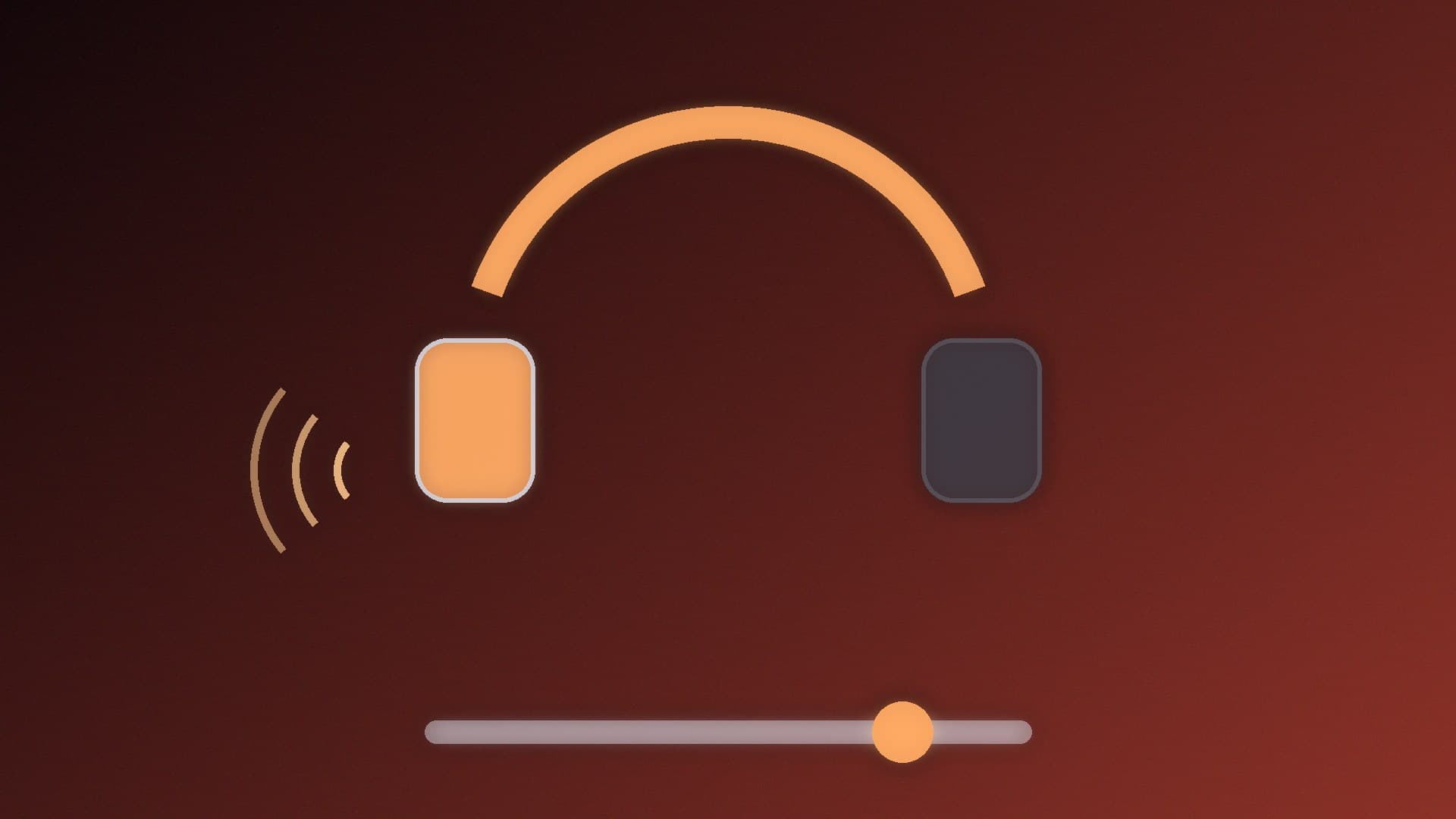
3. Check the left/right balance
Go to Start > Settings > System > Sound.
Under Output, select your Bluetooth headset.
In Output settings, go to Volume.
Make sure Left and Right are set to the same level, typically 100.
A balance slider pushed all the way to one side looks exactly like a dead earbud.
4. Turn off Mono audio
Mono audio combines stereo sound into a single channel so you can hear everything through one headphone. It's an accessibility feature, but if it has been switched on by accident, you lose stereo separation. Go to Start > Settings > System > Sound and turn off the Mono audio toggle in the Output section. Windows also has the same switch under Settings > Accessibility > Audio.
Microsoft says Windows may sometimes use a mono or low-quality audio format that disables stereo output.
Go to Start > Settings > System > Sound.
Under Output, select your Bluetooth headset.
In Output settings, go to Format and choose 2 channels, 16bit, 48000Hz (DVD Quality).
If you're using an LE Audio headset with the microphone on, there's a separate Format when microphone is active setting. Microsoft says it defaults to stereo where supported, and switching it to mono can help if you get dropouts or glitches.
6. Remove and re-pair the headset
This is the step aimed at earbuds where only one side connected during the original pairing.
Go to Start > Settings > Bluetooth & devices > Devices.
Find the headset in the Audio section, select Disconnect, then Remove device.
If you're using earbuds, put both back in their charging case.
Put them into pairing mode following the manufacturer's instructions, usually a button on the device or case.
Select Add device > Bluetooth and pick your earbuds or speakers from the list.
If Windows asks you to connect the second earbud or speaker, select the option to connect it.
7. Try another Bluetooth device
Pair a different headset or speaker. Microsoft says that if stereo works on the second device, the original headset may be faulty. If the problem follows you to other devices, it's more likely a configuration or driver issue on the PC side, and our guide to fixing Bluetooth in Windows 11 is the next stop.
8. Update the headset's firmware
Microsoft says outdated firmware can sometimes cause stereo audio problems. Go to the support or downloads section of your headset's or Bluetooth adapter's manufacturer website, find your model, install any firmware update following its instructions, then restart both the headset and the PC and reconnect.
If there's no sound at all
If neither side plays, the problem is probably wider than balance or pairing. Start with how to fix no sound in Windows 11, and check that Windows is actually sending audio to the headset, which you can set per app as explained in how to change audio output per app in Windows 11.
Our verdict
Most one-ear Bluetooth problems on Windows 11 come down to a setting or a bad pairing rather than broken hardware. Check the battery, the left/right balance, Mono audio and the output format first, then remove and re-pair the headset with both earbuds in the case. If another headset works fine on the same PC, the original headset is the likely culprit.